

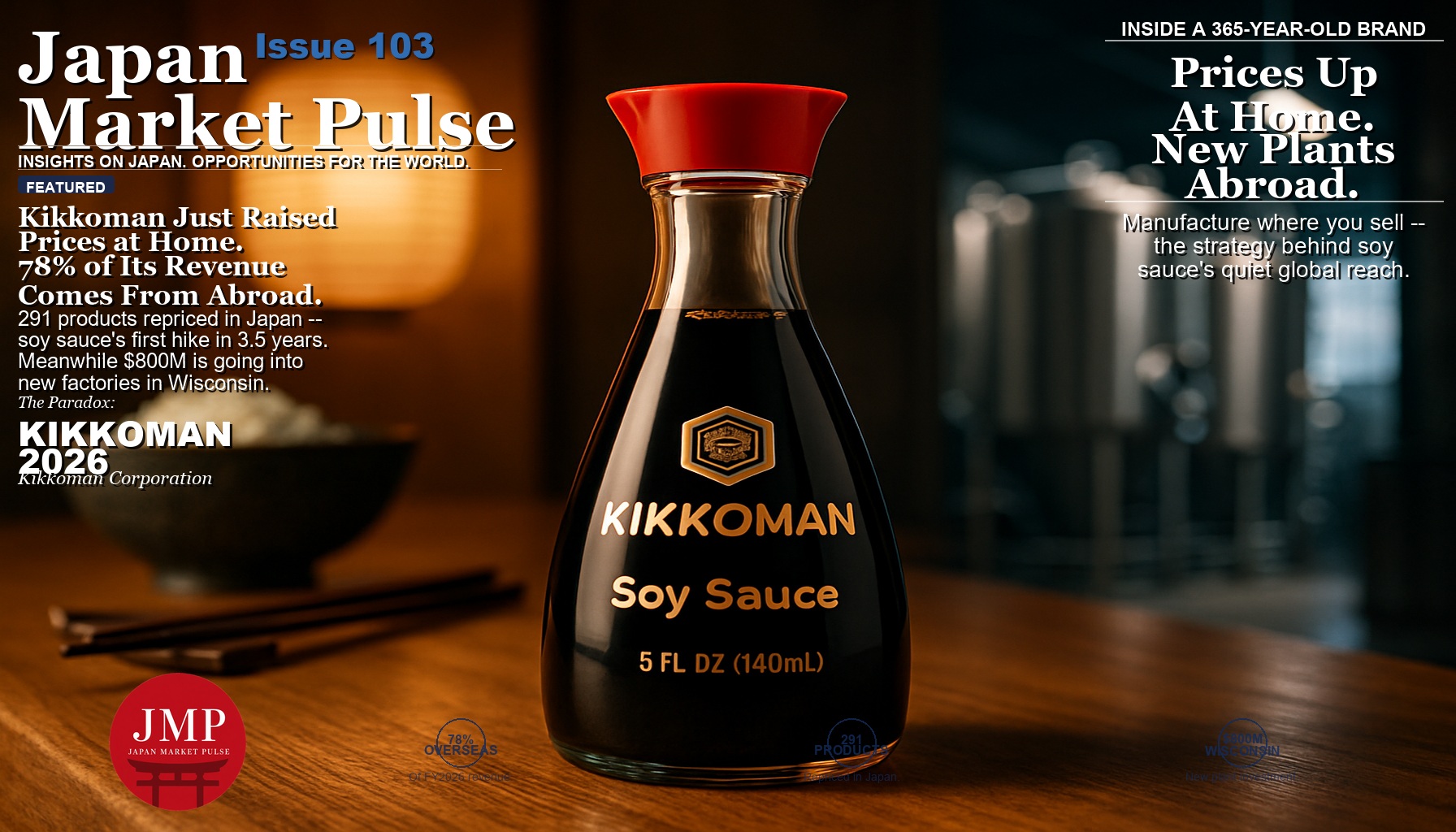
Starting with deliveries from September 1, a bottle of Kikkoman soy sauce on a supermarket shelf in Chiba, Tokyo, or Osaka got more expensive for the first time since April 2023 — though actual retail shelf prices and timing vary by store, since Kikkoman’s announcement sets revisions to recommended retail prices, and individual retailers set the actual shelf price. Not by much — a typical everyday bottle rose by roughly 15-30 yen, a jump that most shoppers will barely notice at the register. But the scale behind that one bottle is the real story. Kikkoman raised prices on 291 products — soy sauce, tsuyu dipping sauce, yakiniku tare, and mirin-style seasonings — by 2% to 22%, the first increase in roughly three and a half years for its mainstay household soy sauce lineup. It was one line in a much larger wave: Japanese food and beverage makers repriced 4,923 products in September 2026 alone, the single biggest month of the year, with seasonings leading the list.
Here’s the part that should stop any international operator mid-scroll. Kikkoman’s brewing roots trace back to 1661, and the corporate entity itself was formed in 1917 — either way, it’s a company most Americans would confidently describe as “Japanese” — and they’d be right about where it started, and wrong about where its money comes from. In the fiscal year ending March 2026, Kikkoman posted consolidated revenue of roughly ¥745.5 billion. Kikkoman’s own FY2026 regional business-performance disclosure puts Japan revenue at about ¥169.6 billion — under a quarter of the total — and overseas revenue at about ¥583.1 billion, roughly 78% of the total, with North America as by far its largest overseas market. That same company, in the same fiscal year, was in the middle of a multi-year, more than $800 million expansion of its manufacturing capacity in Wisconsin — a project announced and begun back in 2024, planned to begin shipments from its newest plant in the same month as the September 2026 price increase.
That is not a contradiction. It is a fairly precise picture of what “being a Japanese brand” actually means for a company built for global scale — and it is a pattern that shows up, in various forms, across a lot of the household names Americans assume are simply imported from Japan. This one just happens to be sitting in almost every kitchen in the country, next to the ketchup and the hot sauce, which makes it a particularly useful lens for anyone trying to understand where Japanese consumer companies actually make their money in 2026.
A 365-Year-Old Recipe Crosses the Pacific

Kikkoman’s story doesn’t start with a corporate headquarters. It starts with soy sauce brewers in Noda, Chiba Prefecture, whose families were fermenting soy sauce as far back as 1661 — a full century before the United States existed as a country. For roughly 250 years those brewing families operated as separate, competing houses, each with its own recipe and its own local reputation. In 1917, eight of the largest Noda families merged into a single company, Noda Shoyu Co. One of those founding houses already brewed under a brand mark called Kikkoman — “the tortoise that lives ten thousand years” — and in 1940 the new company adopted Kikkoman as its single, unified national brand; the corporate name itself changed to Kikkoman Shoyu Co., Ltd. in 1964, and only became Kikkoman Corporation in 1980.
The 1917 merger itself is worth pausing on, because it explains the brand’s most recognizable symbol. Rather than picking a winner among the eight founding families’ individual soy sauce brands, the company that later unified around a single national identity chose a mark already used by one of them: a hexagonal outline enclosing the character for “ten thousand” — a symbol tied to the tortoise, an animal that appears throughout East Asian folklore as a stand-in for longevity. It was, in effect, a company built from a merger settling on a name that meant “built to last,” more than two decades before it had any reason to think about lasting on a different continent entirely.
The leap overseas came decades later, and it happened with almost no fanfare. In 1957, Kikkoman set up a small sales and marketing office in San Francisco. Soy sauce, at that point, was still an ethnic import in American eyes — something you found in a Chinatown grocery, not a mainstream supermarket. What changed that calculation wasn’t a marketing campaign. It was postwar American soldiers, businessmen, and diplomats who had spent time in Japan and come home with a taste for it, plus a slowly growing curiosity about Japanese and Chinese cooking in American kitchens. Kikkoman leaned into that curiosity rather than waiting for it to fade, and by the mid-1960s it had decided that shipping bottled soy sauce across the Pacific from Noda was not a long-term strategy. If Americans were going to keep buying this in growing quantities, the company needed to make it where they lived.
The Factory That Broke a Postwar Taboo
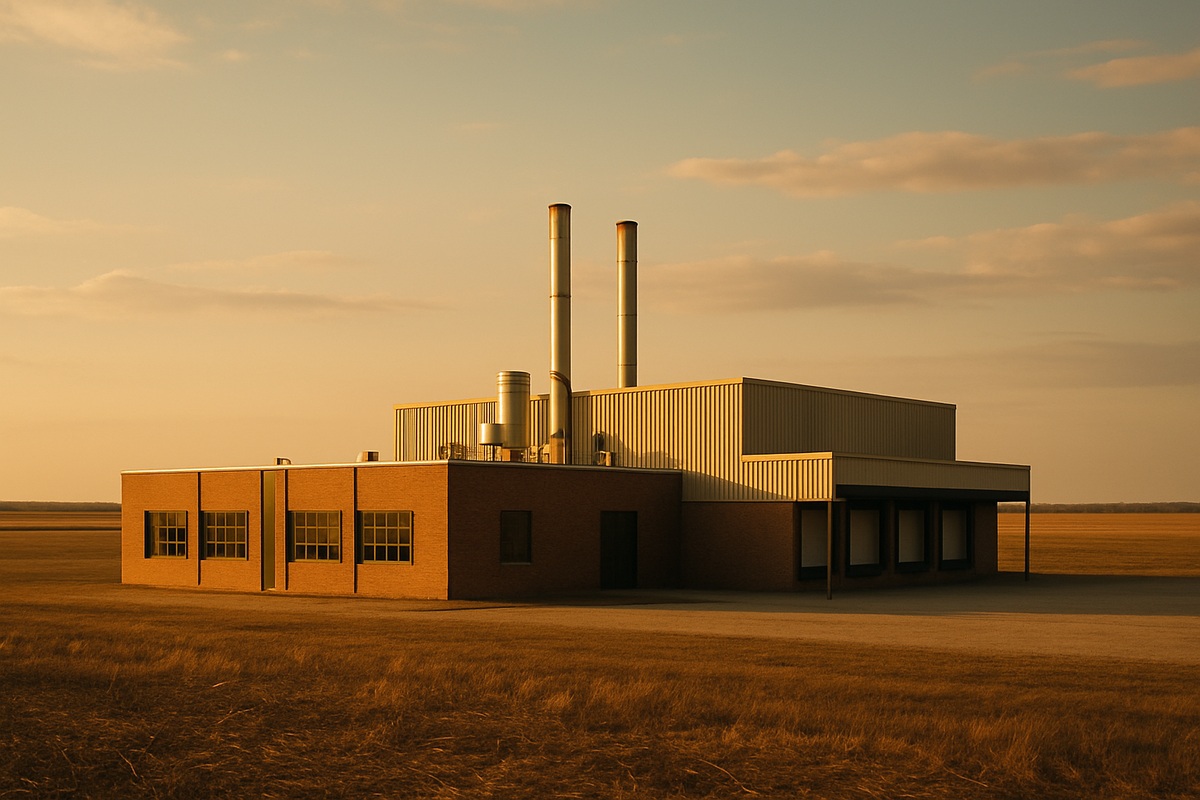
In 1972, Kikkoman selected a small village of roughly 2,800 people — Walworth, Wisconsin — as the site of its first production plant outside Japan. The choice looked almost eccentric on paper: a Japanese soy sauce maker, building its first overseas factory not in California or a major port city, but in the dairy country of southern Wisconsin. The logic, it turned out, was straightforward. Wisconsin sat within efficient trucking distance of most of the American population east of the Rockies, it had abundant clean water for fermentation, and — critically — it grew the two raw materials soy sauce is actually made from: soybeans and wheat. The company also wanted a workforce it described at the time as hard-working and loyal, and a Midwestern farming community delivered exactly that.
Production began in 1973, less than three decades after the end of World War II. It’s easy to lose the significance of that timing from a 2026 vantage point, but Kikkoman’s Walworth plant was one of the very first manufacturing facilities built on American soil by a Japanese company in the postwar era — years before Honda and Toyota established their major U.S. auto plants and made “Japanese company builds plant in America” a familiar business-page headline. Kikkoman got there first, in a small town most Americans still can’t place on a map, brewing a condiment in oak-adjacent steel tanks using the same slow fermentation process — mold cultures, brine, months of aging — that Noda brewers had used since the 1600s. The company wasn’t importing a finished Japanese product anymore. It was exporting a process, and letting American soybeans and American workers do the rest.
Why 78 Percent of Kikkoman’s Revenue Isn’t Japanese Anymore
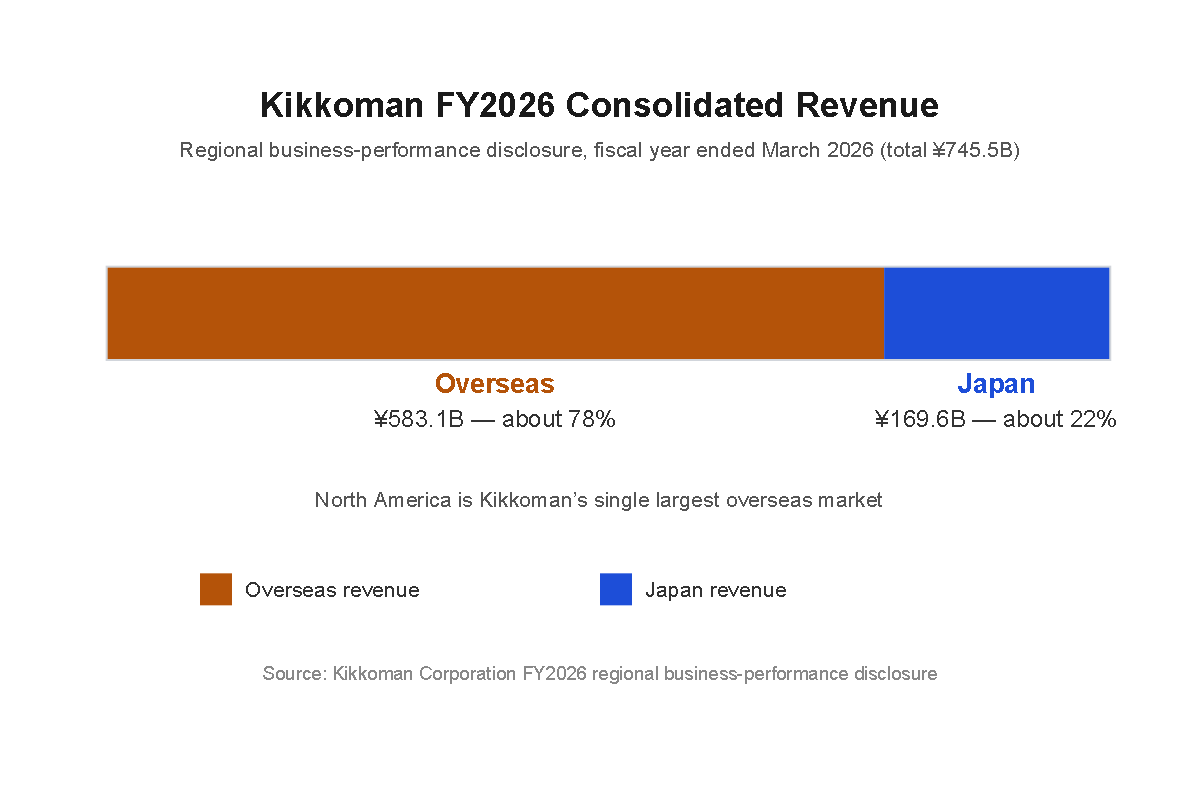
Fast-forward five decades, and that single Wisconsin plant has become the foundation of something much larger. Kikkoman’s own fiscal 2026 disclosures put consolidated revenue at approximately ¥745.5 billion, up 5.2% year over year. Domestic Japan sales — the entire home market that most people picture when they think “Kikkoman” — accounted for around ¥169.6 billion. Overseas operations brought in roughly ¥583.1 billion, and that overseas share — roughly 78% of the total — has been the company’s real growth engine for years. Japanese financial press has repeatedly noted that Kikkoman’s overseas food manufacturing and sales business — not the century-old domestic soy sauce brand — is where the company earns the bulk of its operating profit, and analysts have specifically pointed to strong pricing power in overseas markets as a structural advantage Kikkoman doesn’t enjoy at home.
That last point matters more than it sounds. In Japan, Kikkoman competes in a mature, saturated seasonings market against other century-old houses, plus private-label alternatives from every major supermarket chain, in an economy where consumers have spent three decades expecting flat or falling prices. Raising prices at home means real reputational risk and real shelf-space risk. In North America, Kikkoman occupies something closer to a category-defining position — it is, by its own marketing, America’s best-selling soy sauce, made domestically, sold at a premium to unbranded alternatives, with far less legacy pricing history working against it. A company earning most of its money in a market where it can set the terms, and a shrinking share in a market where it can’t, will eventually behave exactly like Kikkoman just did: raise prices carefully at home, and keep building capacity abroad.
It also helps to remember that soy sauce is only part of what sits inside that overseas revenue figure. Kikkoman’s international business has grown well beyond bottled soy sauce over the decades, into wholesale food distribution, other seasonings, and a broader portfolio sold through American and European retail channels. That diversification matters because it means the roughly 78% figure isn’t a fragile number resting on a single product category doing unusually well in a single year — it reflects a multi-decade buildout of manufacturing, distribution, and retail relationships that Japan’s domestic seasonings market, however loyal, simply cannot match in scale. A market of roughly 123 million people with a shrinking population is not going to out-grow a strategy aimed at the much larger, and still growing, North American grocery basket.
An $800 Million Bet on Wisconsin, Landing in 2026

The clearest evidence of where Kikkoman sees its future arrived in the form of a groundbreaking ceremony in Jefferson County, Wisconsin — about forty miles from the original Walworth plant. The project pairs a brand-new $560 million production facility, roughly 240,000 square feet and built with heavy automation and mobile technology, with a further $250 million expansion of the original 1973 Walworth site. Combined, it’s more than $800 million committed to American soy sauce and seasoning capacity, expected to create around 83 new jobs over twelve years — a modest headcount by American manufacturing standards, but a telling signal about how automated and capital-intensive modern fermentation has become.
Construction broke ground in 2024, and Kikkoman has said the new Jefferson plant is planned to begin shipments in the fall of 2026 — the same season it is asking Japanese households to pay 2% to 22% more for the same products at home. This is not a company retreating from Japan; Noda remains its headquarters and its symbolic home. But it is a company that, when it needs to decide where the next few hundred million dollars of soy sauce capacity gets built, keeps choosing the American Midwest over expanding its domestic footprint. That is a capital allocation decision, made by people who look at demand curves and demographic charts for a living, and it tells you plainly which market they expect to keep growing.
Back Home, the Kitchen Table Gets More Expensive
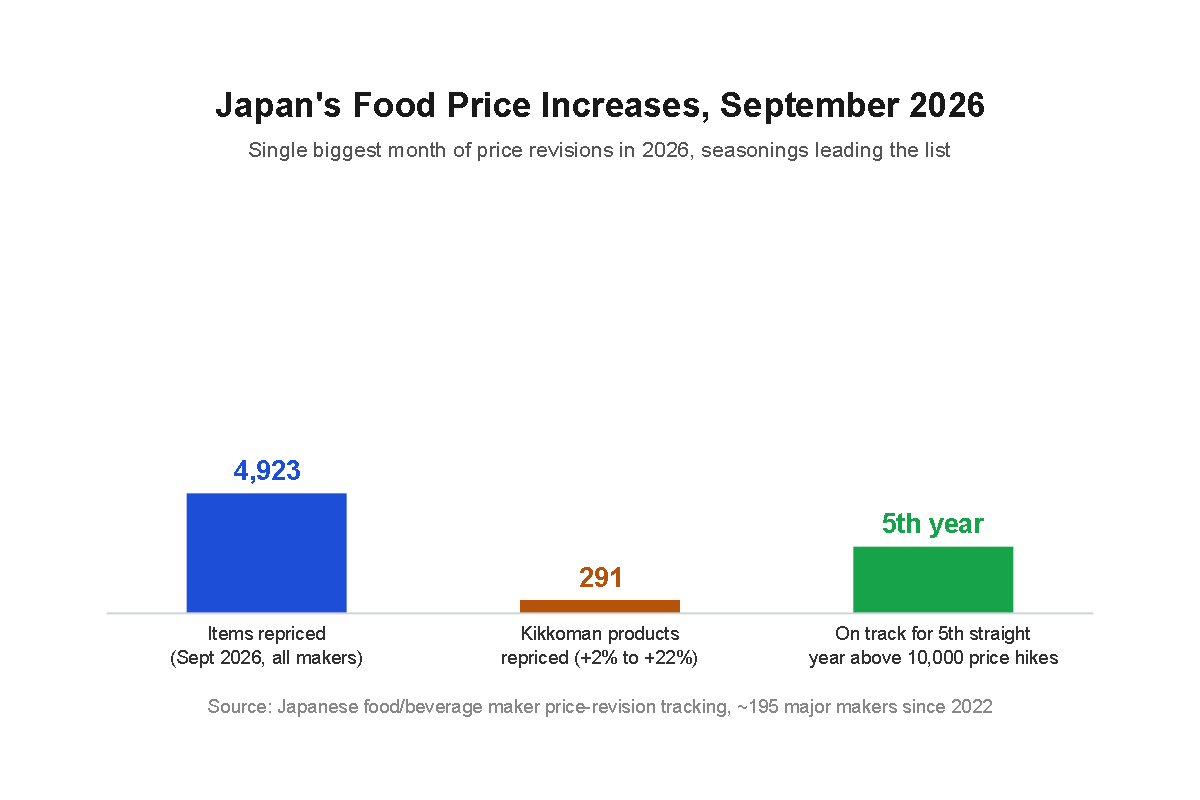
None of this happens in a vacuum on the Japan side, either. September’s Kikkoman increase landed inside a much bigger repricing wave: Japanese manufacturers repriced 4,923 food and beverage products that month alone, the largest single-month total of 2026, and seasonings — soy sauce, tsuyu, vinegar, mayonnaise, salad dressing — made up the largest category by far, precisely because they sit in nearly every Japanese pantry and get used daily. Industry surveys tracking roughly 195 major Japanese food manufacturers have found that 2026 is on pace to mark on track to be the fifth consecutive year in which the food industry has pushed through more than 10,000 price increases annually, a streak that began when researchers started tracking the trend systematically in 2022.
The reasons manufacturers cite are almost identical across categories: rising logistics costs as trucking capacity tightens under new labor rules, higher wages as Japan’s shrinking working-age population forces employers to compete harder for staff, costlier packaging and manufacturing equipment, and higher raw material costs tied to a weaker yen making imported wheat, soybeans, and packaging materials more expensive in yen terms. For a company like Kikkoman, that last factor cuts in two directions at once. A weak yen makes raw materials and equipment pricier for domestic production, squeezing margins on every bottle brewed in Noda — but it also means that profits earned in dollars at Kikkoman’s U.S. plants translate into more yen when Kikkoman reports them back home, which is one more reason the American side of the business looks so attractive on a Tokyo balance sheet right now.
The Paradox, Explained — Manufacture Where You Sell
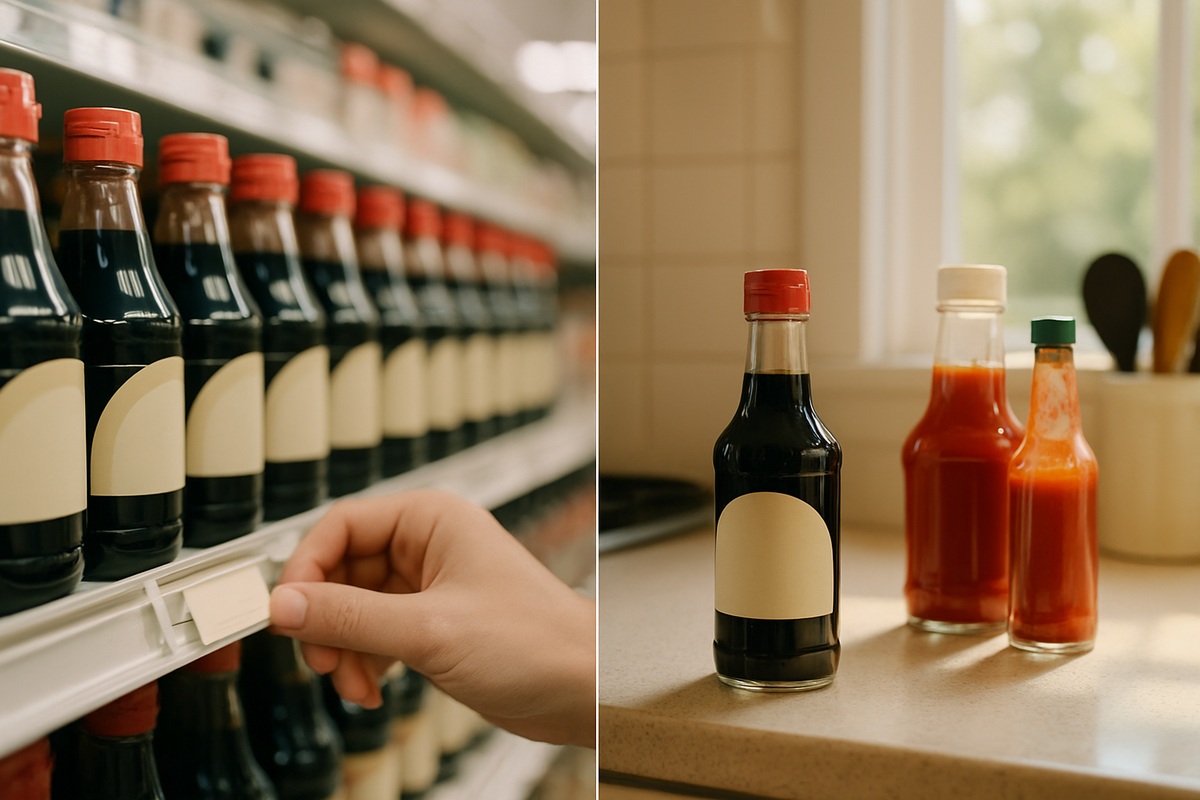
I’ve lived in Japan for two decades, and I still remember standing in a Tokyo supermarket a few years ago watching a woman scrutinize a soy sauce shelf tag the way Americans scrutinize gas station price boards — checking whether it had ticked up since her last visit. That kind of price vigilance, on a product that costs a few hundred yen, tells you something about how seriously Japanese households track grocery inflation after decades of expecting none of it. Around the same time, on a trip back to the U.S., I picked up a nearly identical 64-ounce bottle of Kikkoman soy sauce at a Midwest grocery store and didn’t think about the price at all — it was simply the soy sauce, the one that had always been there, made an hour’s drive from where I was standing.
That contrast is the whole story in miniature. Kikkoman isn’t behaving inconsistently by raising prices in Japan while expanding in America — it’s behaving exactly like a company that has quietly become more American than Japanese in revenue terms, even while its headquarters, R&D, and founding mythology stay firmly in Noda. For international operators watching Japan from the outside, there are three takeaways worth sitting with. First, “manufacture where you sell” is not a slogan — it’s a hedge against currency swings, tariffs, and shipping costs that Kikkoman built decades before most companies treated it as strategy. Second, a legacy home market can turn into a low-growth, low-pricing-power anchor even for an iconic brand, and the businesses that thrive are the ones willing to let their center of gravity shift without abandoning the brand story that got them there. And third, don’t assume the “Japanese brand” on your shelf is actually a Japanese business anymore — for a growing list of them, Japan is the birthplace and the head office, but the balance sheet has already moved.
None of this is a story about decline. Kikkoman’s Noda headquarters isn’t shrinking, and the company isn’t quietly relocating its identity to Wisconsin — it’s still very much a Japanese company, run by Japanese executives, proud of a fermentation tradition that predates the United States itself. What’s changed is simpler and, in some ways, more instructive: a company can stay rooted in its home culture while letting its commercial center of gravity go wherever the growth and the pricing power actually are. That’s a harder story to tell in a press release than “beloved Japanese brand,” but it’s the more useful one for anyone trying to actually understand how a soy sauce house with a 365-year brewing tradition keeps growing.
Frequently Asked Questions
Q. Why did Kikkoman raise prices in Japan in September 2026?
A. Kikkoman cited rising logistics costs, higher labor costs amid Japan’s tight labor market, costlier manufacturing equipment, and higher raw material costs, and raised prices on 291 products — including soy sauce, tsuyu, tare, and mirin-style seasonings — by 2% to 22% starting with September 2026 deliveries. For its mainstay household soy sauce lineup, it was the first such price increase since April 2023.
Q. How much does Kikkoman soy sauce cost in Japan now?
A. Prices rose 2% to 22% depending on the product, though the exact yen amount on any given bottle depends on the retailer. The increases apply to Kikkoman’s mainline soy sauce, tsuyu, tare, and related seasoning products sold in Japan.
Q. Where can I buy Kikkoman soy sauce in the United States?
A. Kikkoman soy sauce, brewed at the company’s U.S. plants in Walworth, Wisconsin, and Folsom, California, is sold at most major U.S. grocery chains and is also available through Kikkoman Soy Sauce on Amazon, where it’s marketed as one of the best-selling soy sauces in the country.
Q. Is American-made Kikkoman soy sauce different from the Japanese-made version?
A. Both are brewed using the same naturally fermented, months-long soy sauce process the company has used since its Noda origins, with soybeans and wheat as the base ingredients. Kikkoman says its Wisconsin-brewed product uses the same fermentation method as its Japan-made soy sauce, not a shortcut version.
Q. Does this overseas-revenue pattern apply to other Japanese food companies?
A. Kikkoman is an unusually clear example because its overseas share is so large, but the broader dynamic — mature, low-growth domestic demand paired with faster-growing, higher-margin overseas operations — shows up across a number of major Japanese consumer brands that built manufacturing and sales operations abroad rather than relying solely on exports from Japan.
Conclusion
Kikkoman’s September price increase will barely register outside Japan, and its Wisconsin expansion will barely register inside it — but read together, they say more about where the Japanese food industry is actually headed than either headline does on its own. A soy sauce house with a 365-year brewing tradition is telling its home market, gently but plainly, that another decade of near-zero pricing power isn’t sustainable, while telling its American operations, with $800 million in fresh capital, that they’re where the next chapter gets written. For anyone doing business with or within Japan, that’s worth remembering the next time a “Japanese” brand on a U.S. shelf turns out to be brewed, baked, or bottled a lot closer to home than the label suggests.
*This article contains affiliate links. If you purchase through these links, we may earn a small commission at no extra cost to you.*
If you’re interested in this topic, the Japanese market more broadly, or what KETCHUPs is working on, we’d love to hear from you — please reach out via our contact form.
Japan Market Pulse is a weekly read on what the Japanese consumer-tech, food, and mobility markets are choosing to do, written for international operators who want to know what is happening before it shows up in the global trade press.
Subscribe at ketchups.co/japan-market-pulse.
This article contains affiliate links. If you purchase through these links, we may earn a small commission at no extra cost to you.
If you’re interested in this topic, the Japanese market more broadly, or what KETCHUPs is working on, we’d love to hear from you — please reach out via our contact form.
Japan Market Pulse is a weekly read on what the Japanese consumer-tech, food, and mobility markets are choosing to do, written for international operators who want to know what is happening before it shows up in the global trade press.
Subscribe at ketchups.co/japan-market-pulse.