

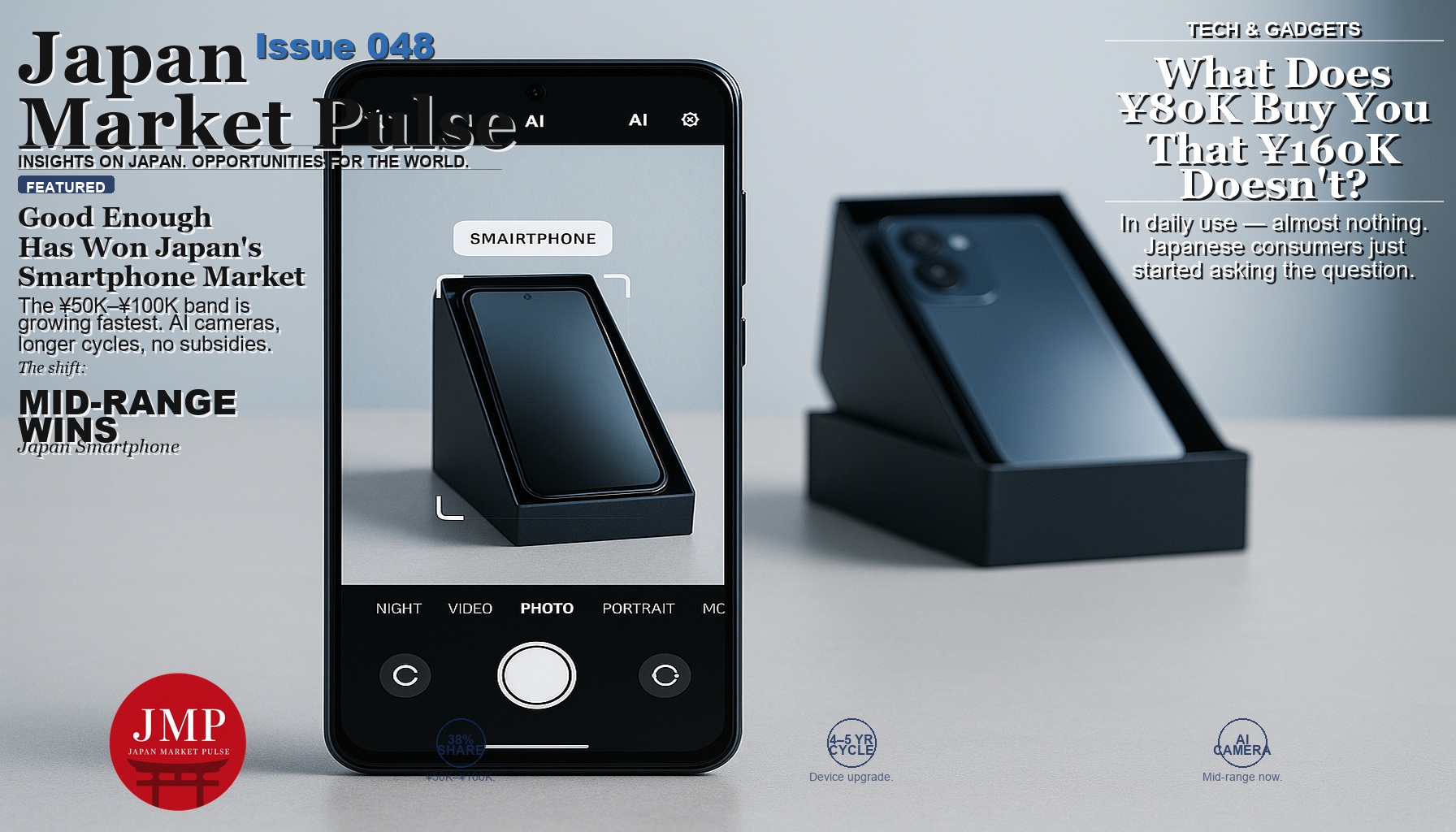
For years, the defining narrative of Japan‘s smartphone market was premium. Apple‘s dominance — consistently above 50% market share, routinely hitting 60% or higher in strong quarters — seemed to validate the idea that Japanese consumers would pay a significant premium for brand, ecosystem, and build quality. The typical new device purchase in Japan was an iPhone. The upgrade cycle was loyalty-driven. The price sensitivity appeared low.
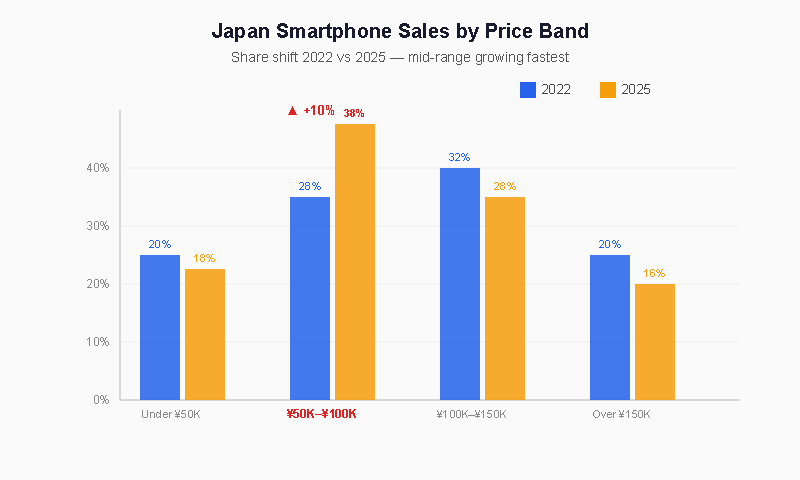
Something is changing. Not quickly, not catastrophically for the premium segment, but unmistakably. The ¥50,000 to ¥100,000 price band — call it the mid-range by Japanese market standards, though that range would be considered premium in many global markets — is where the most interesting growth is happening. And the reason is both obvious and interesting once you look closely: AI has entered the mid-range.
The Price That Stopped Making Sense
Japan‘s flagship smartphone prices have climbed steadily. A top-tier iPhone model launched in Japan in 2025 can exceed ¥200,000 at certain storage configurations. A premium Samsung Galaxy flagship runs ¥150,000 to ¥180,000. These are not accessory purchases; they are major household expenditure decisions.
Japanese consumers have historically absorbed these prices with relatively less resistance than consumers in comparable income-level markets, because the device is used heavily, the premium is associated with reliability and longevity, and carrier subsidy structures softened the upfront cost for most of the smartphone era. The combination of those factors kept the premium segment healthy even as prices rose.
What changed is the convergence of two things: the elimination of significant carrier subsidies in Japan following regulatory pressure to decouple device prices from service contracts, and the simultaneous maturation of mid-range device capability. When you were paying ¥50,000 for a device through a carrier contract and ¥100,000 for a better one, the delta was worth considering. When you are paying ¥140,000 cash for a flagship and ¥70,000 cash for a mid-range competitor that handles everything you actually do with a phone, the calculus changes.
The ¥50,000 to ¥100,000 segment — in a market that used to see that range as the commodity tier — has become the value proposition story. And Japanese consumers are responding.
What the Mid-Range Actually Offers in 2025
The relevant shift is not that mid-range phones got slightly better. It is that they got qualitatively better in exactly the categories Japanese consumers use most.
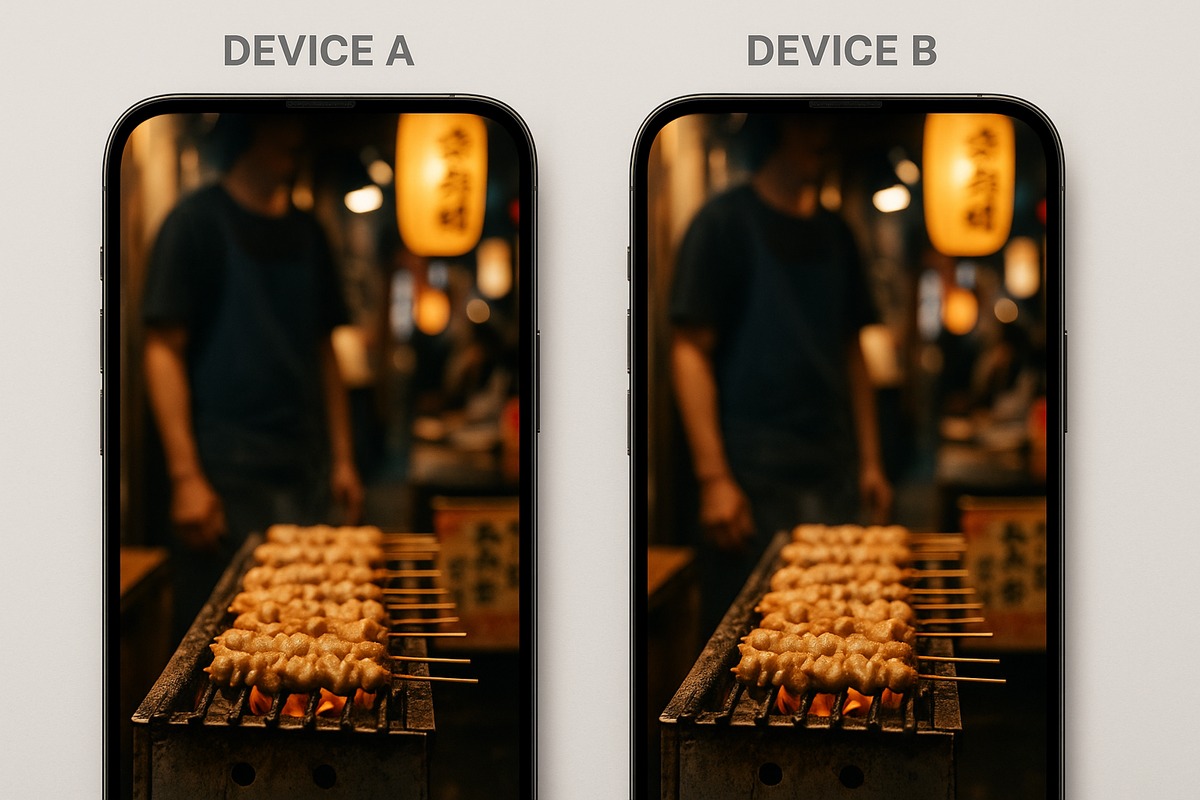
Camera quality, historically one of the clearest differentiators for premium smartphones, has narrowed significantly. Computational photography — AI-driven processing that enhances low-light performance, corrects exposure, and applies portrait-mode effects — has migrated down the price stack rapidly. A ¥70,000 phone from a major Android manufacturer in 2025 produces camera results that most users cannot consistently distinguish from ¥150,000 flagships in standard use cases. The gap persists in edge cases — optical zoom at extreme distances, video stabilization in challenging conditions, low-light processing at the highest levels — but those edge cases matter less to the majority of buyers.
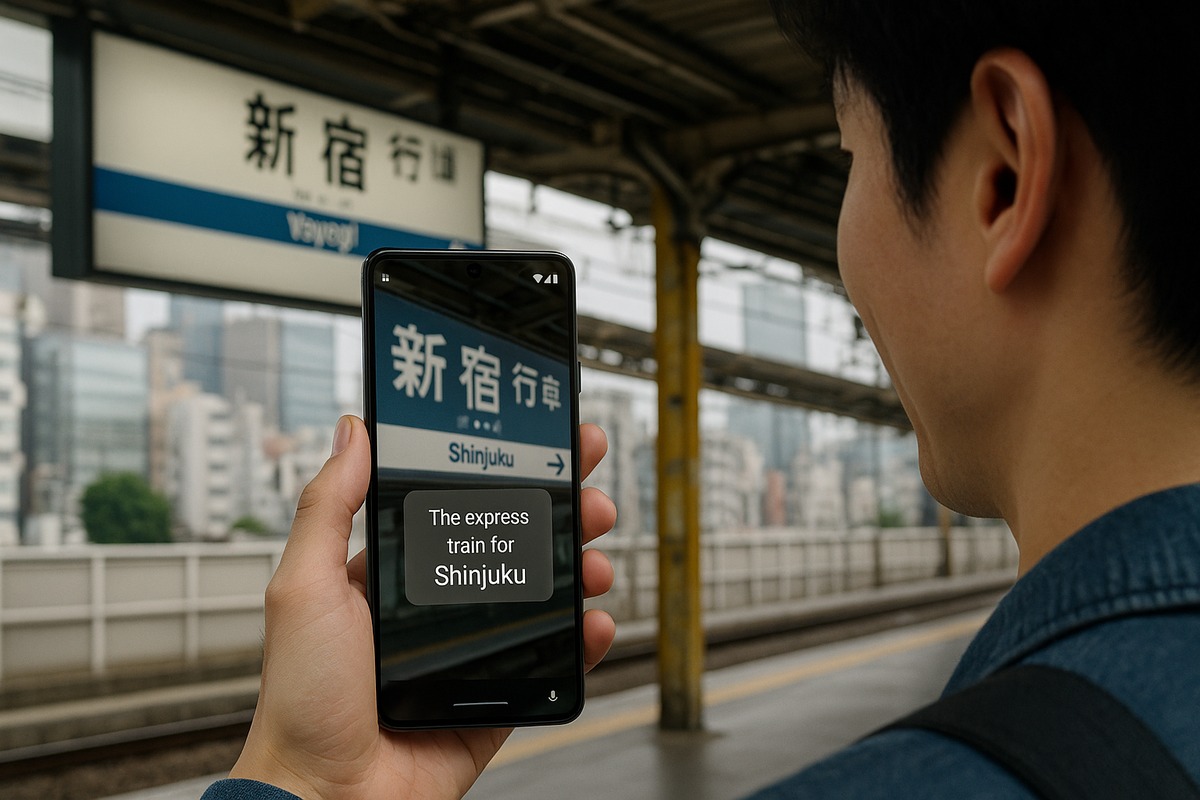
AI features specifically have been a driver of mid-range appeal. Voice interaction, real-time translation, on-device AI assistants that function without network connectivity, AI-assisted text input and editing — these capabilities, which were for several years confined to flagship hardware because they required significant processing power, have moved into mid-range chipsets as the underlying silicon has improved. A ¥70,000 Google Pixel device in Japan can perform on-device translation tasks, live caption video in multiple languages, and run generative AI photo editing features that genuinely work.
For the Japanese consumer, several of these AI features are not just nice-to-have. Real-time translation and live captioning have particular relevance in a market where English-Japanese language gaps remain significant in daily life. AI-assisted accessibility features — for older users managing increasingly complex digital interfaces — have been adopted meaningfully by a demographic segment that is large in Japan and growing larger. These are real use cases that move purchase decisions.
Google‘s Mid-Range Gamble in Japan
Google‘s Pixel line deserves particular attention in the Japanese market, because it has achieved something in Japan that has eluded it in other major markets: genuine mainstream traction.
Japan is one of Google‘s strongest Pixel markets globally. The brand has built a loyal following through consistent software update support (Pixel phones receive guaranteed OS updates longer than most Android competitors), clean Android UI that resonates with Japanese preferences for functional simplicity, and competitive camera capability that has received significant positive coverage in the technology-enthusiast Japanese media.
The introduction of a more affordable Pixel variant — positioned in that ¥50,000 to ¥80,000 range — extends this foothold significantly. The budget-conscious consumer who admires Pixel but has been priced out of the flagship model now has an accessible entry point. And because Pixel‘s differentiation is largely software-driven — the AI camera features, the on-device AI assistant, the update longevity — many of those features carry down to the more affordable SKU. The value story is unusually coherent.
Japanese tech media has covered the mid-range Pixel options with attention that reflects genuine consumer interest rather than just product launches. The phrase that appears in coverage repeatedly is "jyuubun na seinou" — sufficient performance, or good enough. In the Japanese consumer psyche, "sufficient" is not a pejorative. It is a considered judgment that something meets the standard required without unnecessary excess. This is a different relationship with the concept than exists in markets where aspirational positioning drives more of the premium purchase.
The Consumer Behavior Beneath the Numbers
Understanding why the mid-range shift is happening requires understanding how Japanese consumers think about device replacement.
Japan‘s device replacement cycle has lengthened. Three years was once a reasonably standard interval. Many consumers are now on four- or five-year replacement cycles, or longer. This lengthening has been driven by the elimination of the annual cycle that carrier subsidy structures used to facilitate, and also by the simple reality that flagship smartphones from three years ago remain entirely functional for every daily task. If your current phone performs well enough, the motivation to replace it — especially at a price that requires genuine deliberation — is reduced.
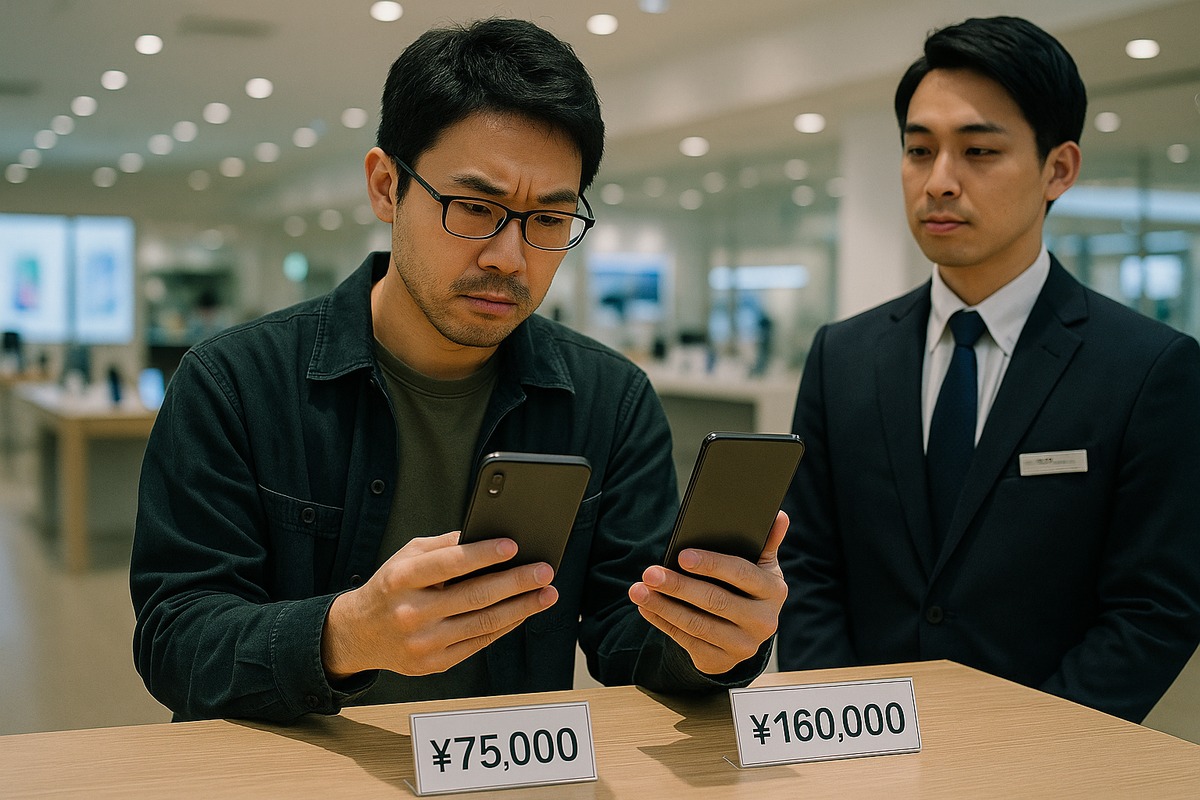
When a consumer with a four-year-old flagship decides it is finally time to replace it, they are making a new calculation. Their old device was a ¥120,000 flagship. Do they replace it with another ¥150,000+ flagship, or do they replace it with a ¥75,000 mid-range that is, in raw processing terms, faster than their old flagship? For a significant and growing portion of consumers, the answer is the mid-range replacement.
This pattern has implications beyond smartphones. It reflects a broader Japanese consumer shift toward what might be called informed sufficiency — the deliberate choice of what meets needs without paying for what exceeds them. This same instinct is visible in food (premium private label over brand-name), travel (experience-rich over status-signaling), and household goods (quality function over visible luxury). The mid-range phone boom is the technology sector‘s version of the same trend.
The Carrier Dynamics That Matter
Any analysis of Japan‘s smartphone market needs to acknowledge the role of carriers — NTT Docomo, SoftBank, and au by KDDI — in shaping purchase behavior.
Japanese carriers have historically offered aggressive device financing plans and periodic campaign pricing that made headline device prices less meaningful than transaction prices. The regulatory crackdown on excessive subsidies — designed to improve market transparency and increase competition — changed this. Consumers now pay something much closer to actual device prices.
This transparency has been, somewhat counterintuitively, positive for mid-range devices. When consumers were buying subsidized flagships through carrier contracts and seeing a monthly device cost added to their bill, the true cost of the device was obscured. With transparent pricing, the ¥75,000 mid-range versus ¥160,000 flagship comparison is a real comparison that consumers make directly.
Carriers have adapted by offering their own competitive mid-range options under house brands and partnerships. The competitive dynamics at the mid-range price point are now more intense than at the premium end, which tends to be Apple-dominated and relatively stable. The mid-range is where share is actually changing hands.
What This Means for the Consumer Electronics Market Broadly
The mid-range smartphone story is a leading indicator for how the broader Japanese consumer electronics market is thinking about value. White goods shipment values have been growing in Japan — 3.8% in fiscal 2025 — but the growth is concentrated in energy-efficient appliances where subsidy programs and genuine utility improvements justify the purchase. Premium for its own sake is losing ground to premium-for-a-reason.
The consumer who is willing to pay ¥70,000 for a mid-range phone that does what they need is the same consumer who will pay a premium for a robot vacuum that genuinely cleans better than a conventional one, or a washing machine with genuinely useful smart features, but will not pay premium pricing for incremental improvements they cannot perceive.
For international consumer electronics brands considering Japanese market positioning, this shift is significant. Japanese consumers have not become unwilling to pay premium prices. They have become more exacting about what constitutes a justifiable premium. The feature or quality improvement needs to be tangible, usable, and worth the delta.
In smartphones, the question consumers are asking is: what does this ¥80,000 difference in price actually buy me in my daily life? The mid-range is winning because for many consumers, the honest answer is: not enough. And Japanese consumers are nothing if not honest — with themselves, and through their purchasing behavior.
If you’re interested in this topic, the Japanese market more broadly, or what KETCHUPs is working on, we’d love to hear from you — please reach out via our contact form.
Japan Market Pulse is a weekly read on what the Japanese consumer-tech, food, and mobility markets are choosing to do, written for international operators who want to know what is happening before it shows up in the global trade press.
Subscribe at ketchups.co/japan-market-pulse.
Japan Market Pulse is a weekly read on what the Japanese consumer-tech, food, and mobility markets are choosing to do, written for international operators who want to know what is happening before it shows up in the global trade press.
Subscribe at ketchups.co/japan-market-pulse.