

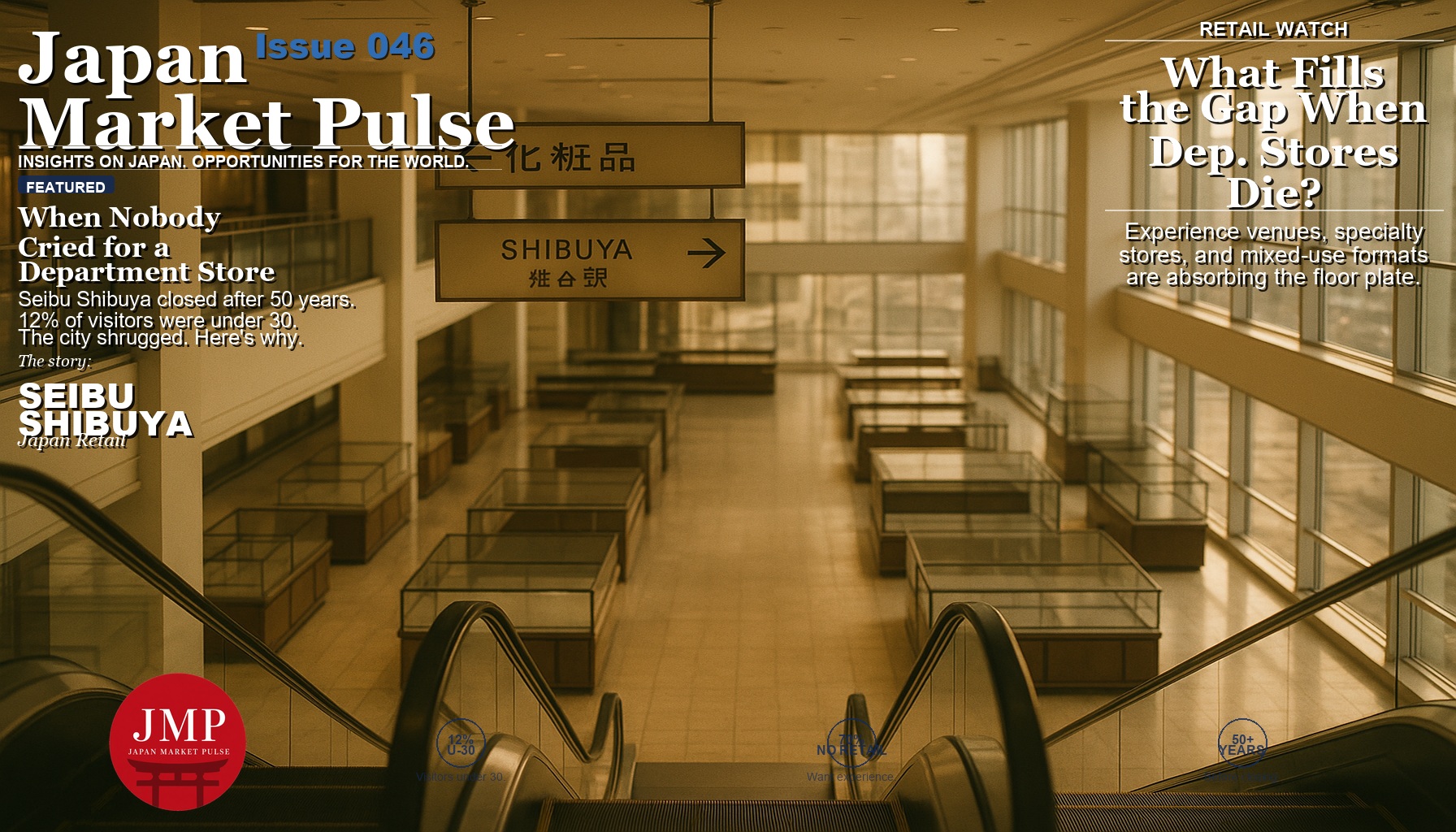
There is a photograph circulating in Japanese retail circles that says more than any analyst report could. It shows the final days of Seibu Shibuya — one of the most iconic department stores in Tokyo, planted at the heart of one of the world‘s most photographed shopping districts — and the streets outside look completely ordinary. No vigil. No last-minute shoppers loading bags. Just Shibuya being Shibuya, indifferent to the closure of an institution that had stood for more than fifty years.
That indifference is the story.
When a beloved institution closes, people usually notice. When Parisian department stores shutter, there are editorials mourning the end of an era. When American malls go dark, there are documentaries. But Seibu Shibuya closed and the city simply shrugged. And that shrug is not apathy — it is a verdict, delivered by a generation of consumers who had quietly, permanently reorganized their lives around other things.
Understanding what happened to Seibu Shibuya — and, more importantly, what comes next — is one of the most useful exercises in Japanese retail you can do in 2025.
Fifty Years and Then Nothing
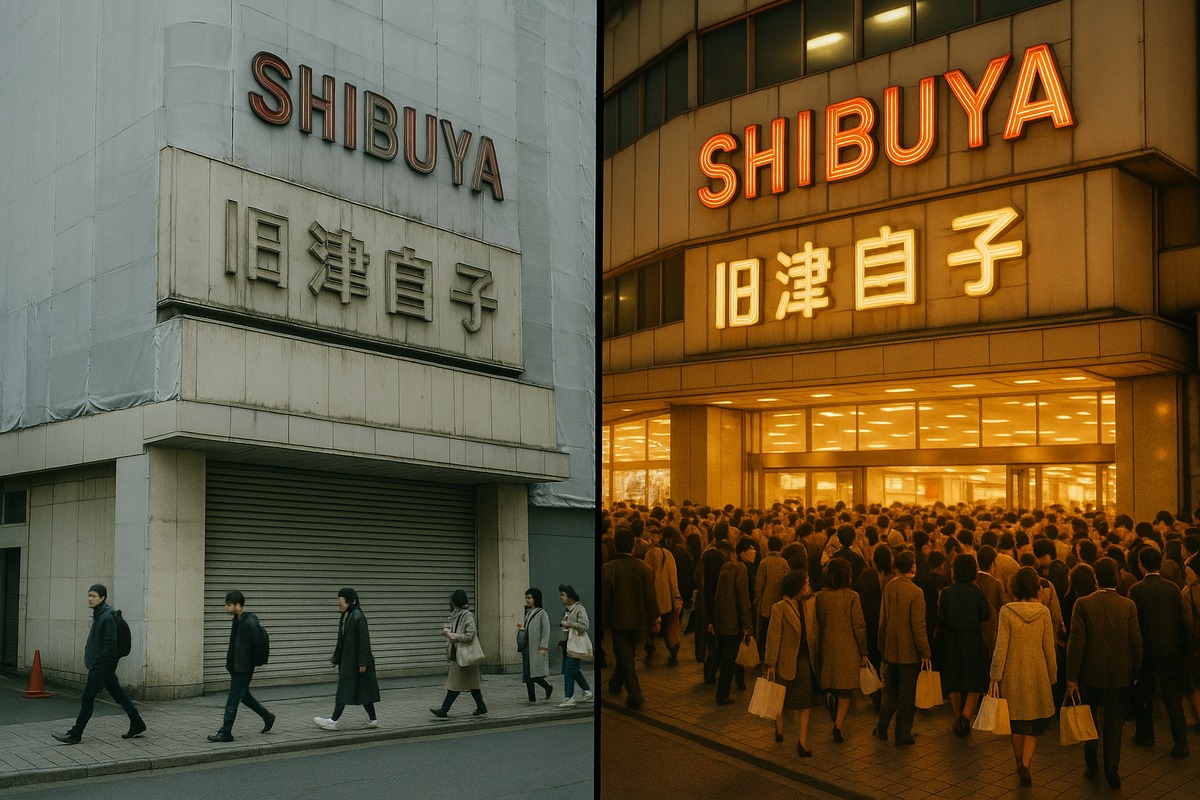
Seibu Shibuya opened in 1968, when Shibuya itself was transforming from a transport hub into a genuine cultural destination. For decades it was a reference point — you met people "in front of Seibu," you browsed its floors as a ritual of Tokyo weekend life, you associated its name with aspiration. The Seibu Group, through its department stores and affiliated Loft and Muji retail concepts, helped define what Japanese consumer culture looked and felt like from the bubble era through the 1990s.
Then something happened, slowly and then all at once.
Consumer surveys conducted ahead of the closure found that only 12% of Seibu Shibuya‘s visitors were in their twenties, and just 4% were in their thirties. In a shopping district that is synonymous with youth — Shibuya is where Japanese brands test ideas they want to be seen as young and energetic — a department store that had effectively lost the 20-to-39 age group had already stopped being a department store in any meaningful sense. It had become something else: a place that older repeat customers maintained out of habit, surrounded by a city that had moved on.
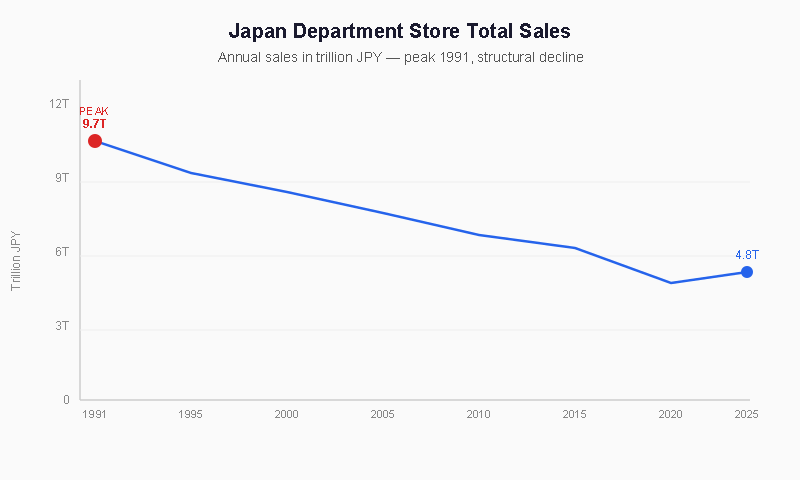
The numbers were not a surprise to anyone paying attention. Japan‘s major department stores have been reporting declining foot traffic for more than two decades. Total department store sales peaked in 1991 at approximately 9.7 trillion yen, then fell for most of the next thirty years. The pandemic accelerated declines that were already structural. By the time Seibu Shibuya announced its closure, the outcome had the quality of an admission rather than a shock.
The Structural Problem No Renovation Could Fix
It is tempting to frame the department store decline as a pricing problem, or a product mix problem, or a digital transformation problem. All of those things played a role. But the deeper issue is about the mental model that department stores embodied — and why that model stopped resonating.
Department stores were designed for a world where curation was scarce and physical aggregation was valuable. If you wanted to compare multiple brands of cookware, you went to a department store. If you wanted to find a good handbag, you went to a department store. If you wanted to give a gift that communicated quality without knowing exactly which product to select, you went to the gift floor of a department store. The department store‘s value proposition was: we have done the selecting for you, and walking our floors saves you time and uncertainty.
That proposition collapsed when smartphones gave every consumer access to better curation than any physical floor could provide. The twenty-year-old browsing streetwear in Shibuya has already done the research before stepping outside. They know the brand, the colorway, the retail price, the resale value, and three alternative options. They go to specific stores to confirm a decision that is already largely made. A department store floor, with its heavy reliance on cosmetics brands selling at counter, women‘s fashion organized by brand pavilion, and food halls in the basement, is not how they think about shopping.
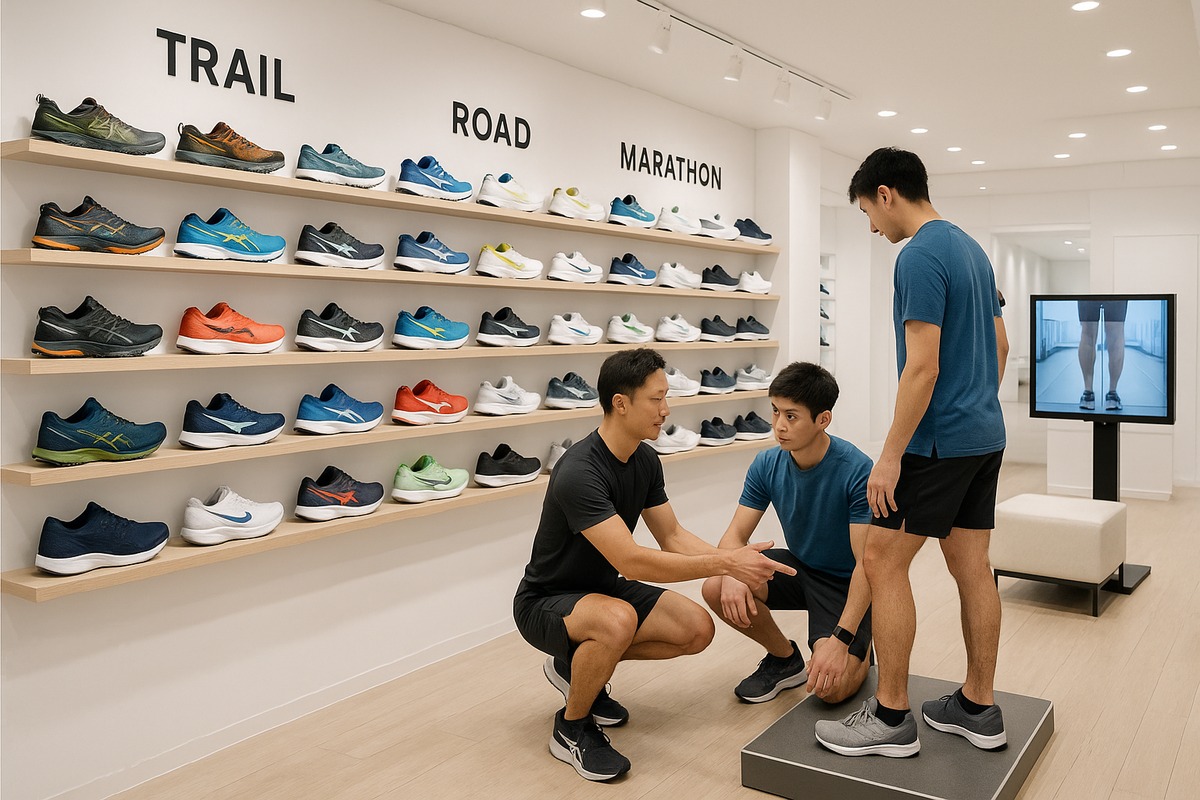
What replaced it? Specialized stores, for one. Shibuya is full of them — vertical-format retailers that go very deep on one category. Sporting goods specialists that cater to trail runners and cyclists with inventory depth no department store floor could match. Vintage clothing stores with a level of curation that attracts buyers from overseas. Secondhand luxury resale platforms with physical locations. The category killers won.
Online commerce absorbed another large portion. The Japanese e-commerce market has continued to grow, with apparel, electronics, and household goods all moving online at rates that track global patterns. The basement food halls — the depachika — remained a genuine draw, and continue to hold up better than apparel floors. But a business model where food is your strongest retention mechanism is not one that justifies the floor plate of a large urban department store.
What a Shibuya Shopper Actually Wants in 2025
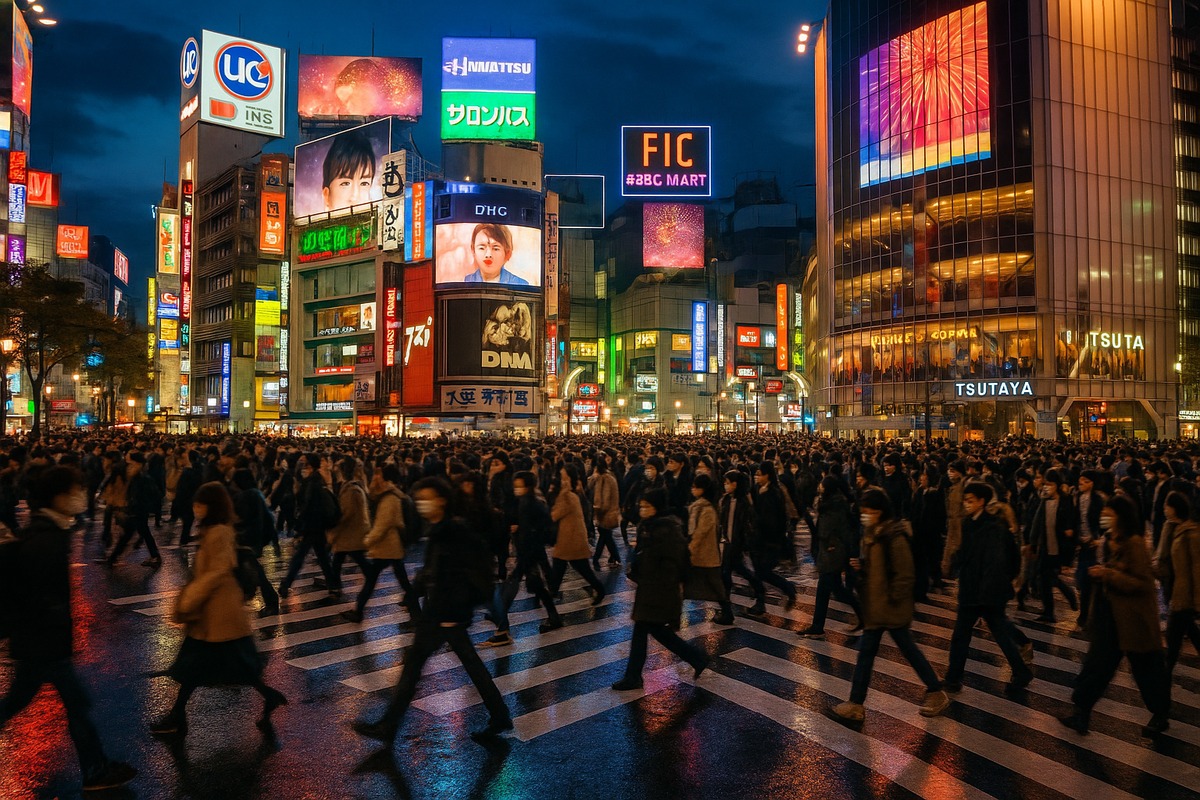
The survey data from the closure period is worth sitting with, because it reveals something useful about what consumers actually want from the physical retail space that Seibu Shibuya occupied.
Asked what they hoped would replace the store, only about 30% of respondents cited traditional retail or merchandise. The majority wanted something different: entertainment, dining, experience, health and wellness, and — most intriguingly — a mix of uses that had no direct retail precedent. The appetite is for what the Japanese retail industry has been calling "jikan shohi" — time consumption — rather than goods consumption.
This matters enormously. It means that the question of what to do with a large urban retail site is no longer primarily a question of which brands to recruit, but a question of what experiences to program. The winning formats are not the ones with the best merchandise mix; they are the ones that give people a reason to spend two hours in a space, with purchase being incidental rather than the primary goal.
Shibuya already has several examples of this approach succeeding. MIYASHITA PARK, the mixed-use development that opened above Miyashita Park in 2020, combined a hotel, retail, food and beverage, and a rooftop sports facility in a format that gets foot traffic from multiple motivations — gym members in the morning, lunch crowd at noon, shoppers in the afternoon, dinner-goers in the evening. The rooftop skate park and climbing wall are not particularly large revenue generators, but they anchor a story about who the space is for. The format worked.
The redevelopment of the surrounding Shibuya area — coordinated across multiple projects by Tokyu Corporation, which owns much of the real estate — has been building toward a different kind of commercial district. One where the programming drives the visit, and retail is layered in.
Japan‘s Remaining Department Stores Are Watching
Seibu Shibuya was not Japan‘s last department store. The format is not extinct. But it is consolidating rapidly, and the survivors are doing so by becoming something different from the department stores that defined the format in its peak years.
The Isetan Mitsukoshi group, which operates what are probably Japan‘s most internationally recognized department stores, has been investing in a positioning that leans into the curation value that physical retail can still deliver — not curation of product within a category, but curation of genuine rarity. Limited editions. Collaborations. Artisan goods that are not available online. The Isetan Shinjuku flagship has been successful enough as an international tourist destination that inbound shoppers — pre-pandemic and in the current recovery — have become a meaningful part of its business.
Takashimaya has focused on experience-density in its flagship locations, increasing the proportion of its floor space dedicated to food, restaurants, and lifestyle services. The basement food floors have expanded in some cases. Some floors have been redesigned to function more like curated marketplaces than traditional brand pavilions.
The mid-tier regional department stores have struggled more, and closures outside of major city centers have accelerated. A department store in a regional city, competing against national e-commerce platforms and the combination of a nearby large-format specialty store and a good delivery infrastructure, is extremely difficult to sustain.
White Goods, Spending Power, and the Household Economy
There is another data point from the same newspaper edition that puts the Seibu Shibuya story in a different frame. Japan‘s white goods shipment value grew 3.8% in fiscal 2025, driven largely by subsidy programs for energy-efficient air conditioners and government incentives. The data came from the Japan Electrical Manufacturers’ Association.
This matters because it is a reminder that Japanese consumer spending has not collapsed — it has redirected. The same households that are not walking the floors of department stores are spending more than ever on home environments: high-efficiency air conditioners, robot vacuums, smart home appliances, premium bedding and sleep technology. The yen is weak and prices are rising, but spending on the home itself — which is where people spend more time, more intentionally, than they did before — has held up.
The implication for retail is not that consumers are poorer or less inclined to spend. It is that the relationship between physical retail and spending has changed. Spending happens everywhere. The physical store needs to offer something that cannot be captured by a good product and a competent delivery network — or it does not need to exist.
The Competitive Format That Won
If you want to understand where Japanese urban retail is moving, the most useful format to study is not the surviving department stores. It is what opened around Seibu Shibuya in the years before it closed.
Shibuya is surrounded by successful formats that take different approaches. Fashion specialty complexes like Shibuya 109, though they have also adapted considerably, maintain their identity by extreme focus on their target consumer and genuine feedback loops with that consumer community. Parco, which is technically also in the Seibu Group family but operates very differently, has reinvented itself as a venue for art, pop-up exhibitions, character goods, and limited-release product, with regular retail as a complement rather than the primary draw.
The common thread in the successful formats is that they have an editorial identity — a clear point of view about who they are and who they are not trying to attract. A department store by definition tries to be for everyone, which in a fragmented consumer environment is increasingly a liability.
Specialty retailers in running (Alpen Sports has been expanding dedicated running stores), in outdoor equipment, in cycling, in premium culinary equipment — these are all growing while generalist retail contracts. The category focus allows genuine depth of selection, expertise in the staff, and community building in ways that a department floor cannot support.
What This Tells Business Operators Outside Japan
For international operators looking at the Japanese market, the Seibu Shibuya closure is useful as a calibration tool, not a cautionary tale.
It tells you that physical retail in Japan‘s major cities is not declining — it is sorting. The floor plate of a mid-tier generalist retailer is being vacated, and that floor plate is being absorbed by a combination of experience venues, food and beverage, specialized retail, and mixed-use hospitality. This is happening faster in Shibuya than in other districts, because Shibuya‘s consumer is younger and more demanding in their expectations of what a space should offer. But the direction is consistent across most high-foot-traffic urban areas.
If you are considering entry into Japanese retail, the generalist format — a broad floor of international brands positioned for quality and breadth — is not where growth is happening. Specialists are winning. Concepts that create a reason to visit independent of any specific purchase intent are winning. Spaces that function as destinations — a membership gym, a cooking school, a media-integrated retail concept — are winning.
The Japanese consumer has not become less interested in physical spaces. They have become more selective about which physical spaces are worth their time. Meeting that standard is harder than it used to be, which means the operators who meet it are doing something that is genuinely difficult to replicate online.
If you’re interested in this topic, the Japanese market more broadly, or what KETCHUPs is working on, we’d love to hear from you — please reach out via our contact form.
Japan Market Pulse is a weekly read on what the Japanese consumer-tech, food, and mobility markets are choosing to do, written for international operators who want to know what is happening before it shows up in the global trade press.
Subscribe at ketchups.co/japan-market-pulse.
Japan Market Pulse is a weekly read on what the Japanese consumer-tech, food, and mobility markets are choosing to do, written for international operators who want to know what is happening before it shows up in the global trade press.
Subscribe at ketchups.co/japan-market-pulse.