

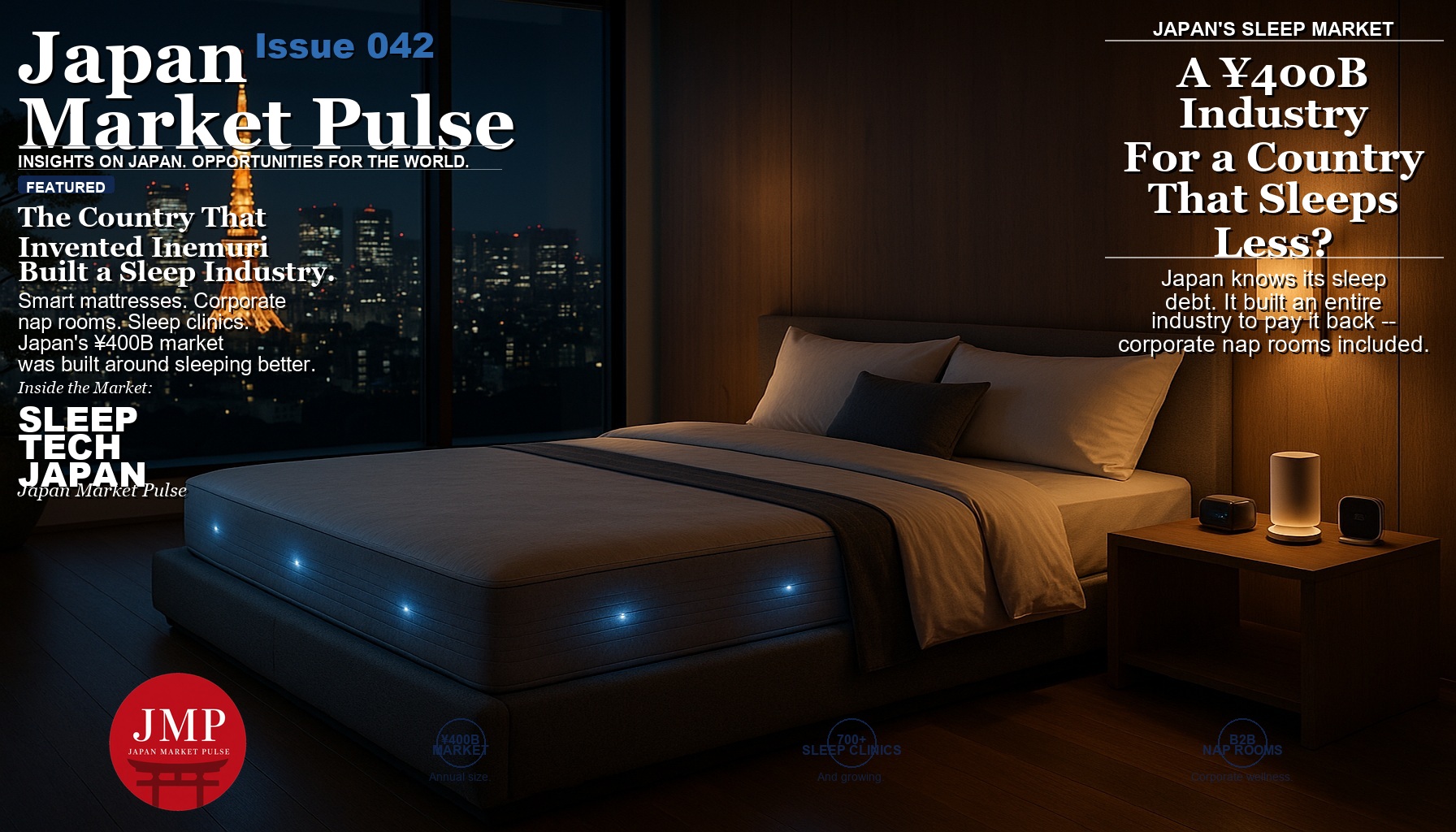
There is a Japanese word — inemuri — that roughly translates as “sleeping while present.” It describes the art of napping on a commuter train, dozing at your desk, or resting your eyes in a meeting while technically remaining on duty. For decades, it was treated in the West as evidence of Japanese overwork culture: a country so exhausted it had invented a socially acceptable protocol for sleeping in public.
That reading was always incomplete. Inemuri was never about deprivation. It was about a different relationship with rest — one that saw sleep as something to be taken opportunistically rather than scheduled rigidly. But as Japan entered the 2020s, something shifted in how the country thought about sleep altogether. Opportunistic napping was no longer enough. Japan began building infrastructure around sleeping better.
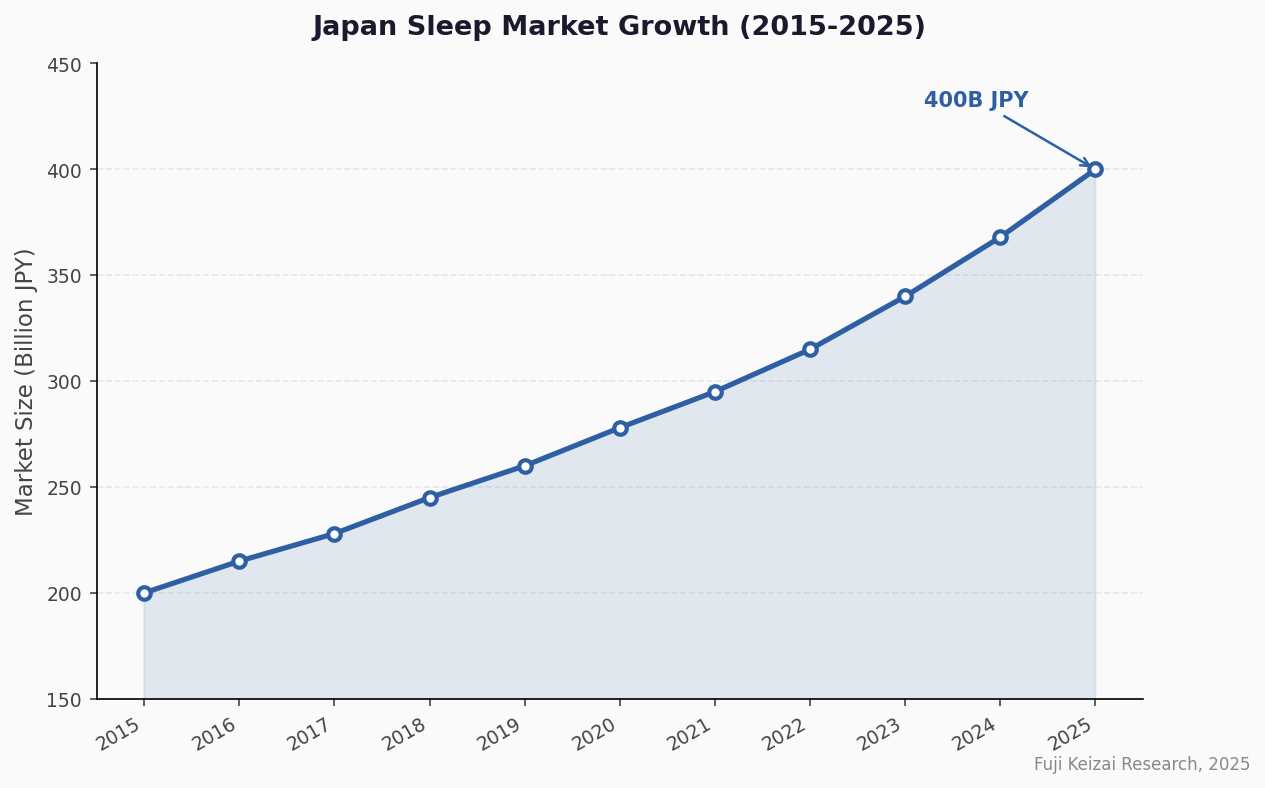
The result is a sleep market that, by most estimates, now exceeds ¥400 billion annually — and is growing. Smart mattresses. White noise devices. Corporate nap rooms. Sleep clinics that operate like dermatology practices. Sleep-tracking wearables selling through channels that did not exist five years ago. The country that normalized sleeping in public is now building a systematic science of sleeping well.
For international businesses thinking about Japan, this matters in two ways: as a market opportunity for sleep-adjacent products and services, and as a case study in how a cultural shift becomes a consumer category.
Why Japan Is Sleeping Less — and Spending More to Sleep Better
Japan’s sleep problem is well-documented. OECD data consistently ranks Japan among the countries with the shortest average sleep durations in the developed world — typically under seven hours per night on average, compared to over eight hours in France or the United States. Working culture, long commutes, and social obligations that extend into late evenings have historically crowded out sleep.
But awareness of sleep’s relationship to health outcomes has changed dramatically over the past decade. Japanese media coverage of sleep science has increased substantially. The government’s revised health promotion guidelines now include specific sleep targets for different age groups. Corporate HR departments — historically reluctant to acknowledge that employees had bodies that required rest — have begun treating sleep as a productivity and retention variable.
The result is a population increasingly aware that it is not sleeping enough, newly motivated to do something about it, and reaching for products and services that promise improvement. This is the structural foundation for the ¥400 billion sleep market, and it is not a temporary trend. It is a demographic and cultural repositioning that will sustain category growth for years.
Smart Mattresses: Japan’s Answer to High-Density Living
Any product designed to improve Japanese sleep must contend with an inconvenient physical reality: Japanese living spaces are small. The average floor area of a Tokyo apartment is approximately 40 square meters. Bedrooms are often secondary to living areas in floor plan priority. The traditional futon — rolled out at night and stored in a closet during the day — was originally a spatial solution as much as a cultural one.
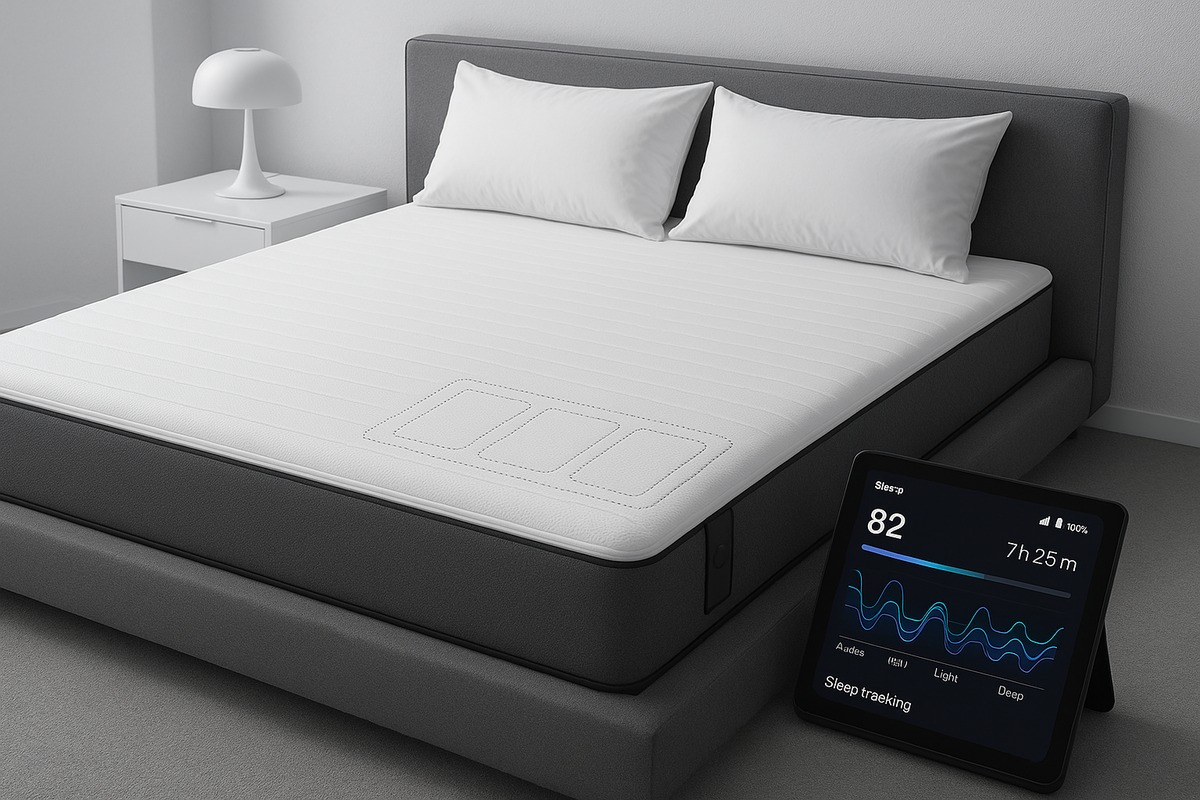
Against this backdrop, smart mattress companies have had to be creative. The category leader in Japan is not a Silicon Valley startup but a domestic brand: Nishikawa, founded in 1566 as a textile merchant and now the country’s dominant sleep goods company. Nishikawa’s AiR series of high-resilience mattresses — engineered using pressure dispersion data gathered from decades of sleeping pattern research — commands a premium that would be recognized in any Western market: ¥80,000 to ¥200,000 for a full mattress.
Airweave — perhaps better known internationally as the mattress partner of multiple Japanese Olympic teams — takes a different approach. Their interlocking polyether fiber technology is designed to allow airflow, prevent heat retention, and provide rebound responsiveness that traditional memory foam lacks. In Japan’s humid climate, airflow is not a luxury feature but a baseline expectation.
Neither company sells primarily on data features or app integration, which distinguishes them from Western competitors like Eight Sleep or the Oura ecosystem. Japanese consumers, at least in the premium mattress category, have consistently signaled preference for tactile quality and proven performance over connected device features. An Airweave pillow or a Nishikawa mattress topper sells in Japan on materials engineering, not connectivity.
White Noise, Sleep Aids, and the Devices That Fill the Gap
Below the premium mattress tier, a large and rapidly growing middle market exists for sleep-adjacent devices — products that do not replace the mattress but improve the environment around it.
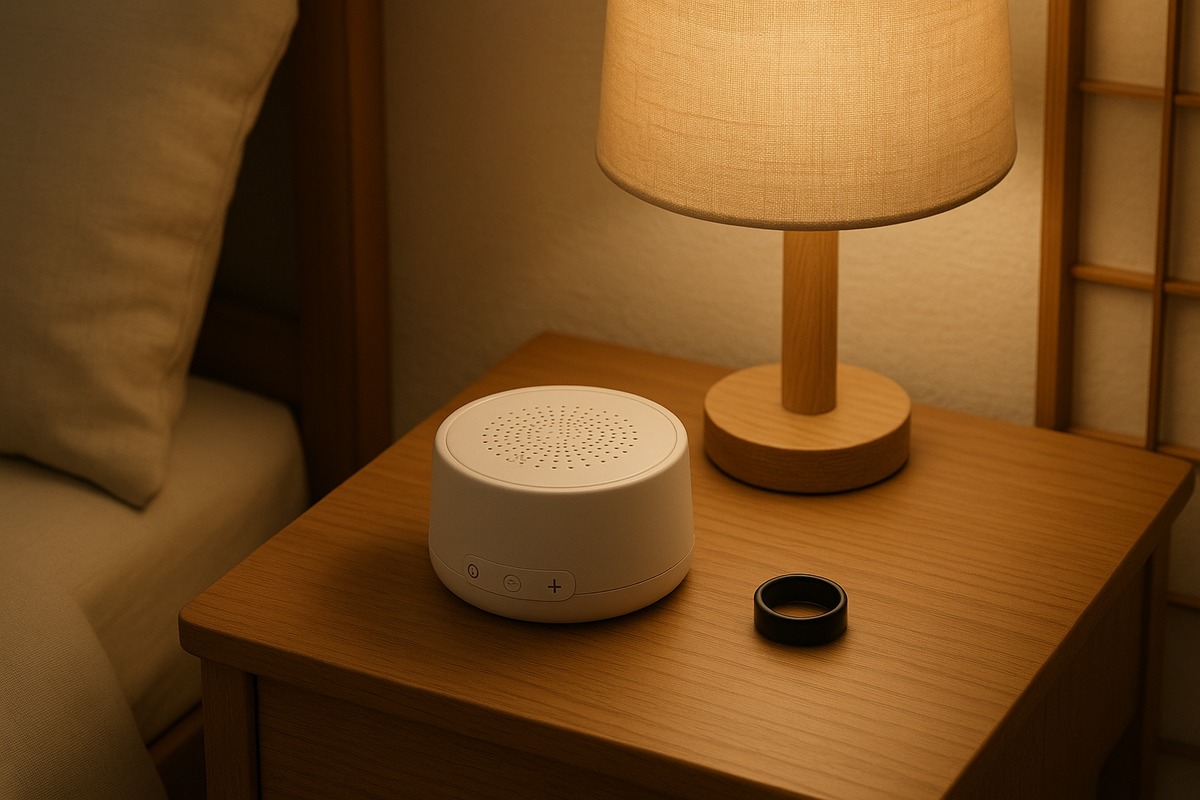
White noise machines have seen dramatic growth in Japan, driven by a combination of factors. Urban noise pollution, particularly the thin walls common in Japanese apartment construction, has always been an issue. The growth of shared living, remote work arrangements, and increased awareness of the relationship between environmental noise and sleep quality has amplified demand. Machines from brands like Marpac (Dohm), Lectrofan, and several Japanese manufacturers have built consistent top-ten positions in sleep accessories on Amazon Japan.
Smart lighting is another growing category. Japanese sleep researchers have documented the relationship between blue light exposure and melatonin suppression in detail, and several domestic lighting manufacturers have developed evening light modes — amber-shifted, low-lux — specifically positioned as sleep preparation tools. Panasonic’s HH-CF0895A and similar products now include “circadian” presets in their standard feature set.
Melatonin occupies an interesting regulatory position in Japan. Unlike the United States, where melatonin is sold as a dietary supplement in doses of 0.5 to 10mg across every pharmacy and big-box store, Japan classifies melatonin as a prescription medication. Over-the-counter sleep aids in Japan are therefore dominated by antihistamine-based formulations (diphenhydramine, similar to Unisom in the US) and herbal alternatives — valerian, L-theanine, GABA-rich formulations. For brands with melatonin products looking to enter Japan, this regulatory constraint is non-negotiable and shapes what is possible.
The Corporate Nap Room: When Companies Pay You to Sleep
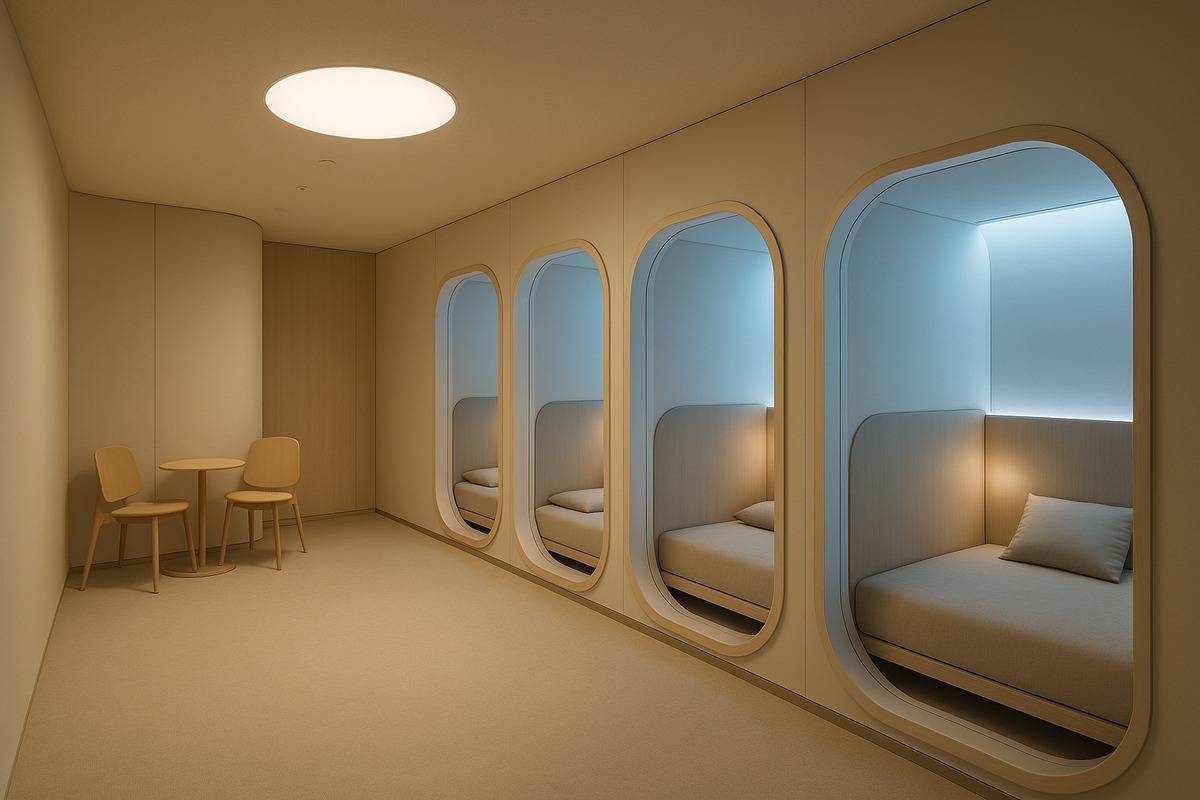
Perhaps the most visible manifestation of Japan’s sleep-as-productivity philosophy is the corporate nap room. Beginning around 2020, a wave of Japanese companies began installing designated sleep facilities — some equipped with pods, some with reclining chairs, some with hospital-grade quiet zones — as employee benefits.
Yahoo Japan (now LY Corporation) has operated nap rooms in its Tokyo headquarters since 2014, well ahead of the mainstream. What was once considered eccentric has since become unremarkable: companies including Panasonic, NHK, and a growing number of mid-sized enterprises have introduced similar facilities, often framing them in terms of productivity research data rather than welfare sentiment.
The nap room market has created a small but growing commercial ecosystem. Companies like Giraffenap sell pod-format sleep furniture specifically designed for corporate spaces. The positioning is consistently functional — these are not luxury amenities but performance tools, justified with the same language Japanese companies apply to ergonomic desk systems or noise-canceling headphones.
For international office furniture and wellness companies, the corporate nap room trend represents a direct sales opportunity in Japan’s B2B market. The category is still early-stage enough that international quality and design differentiation can win over domestic alternatives, but it is moving fast enough that waiting three years to develop a Japan entry strategy is likely to mean arriving after the first consolidation wave.
Sleep Clinics and the Medicalization of Rest
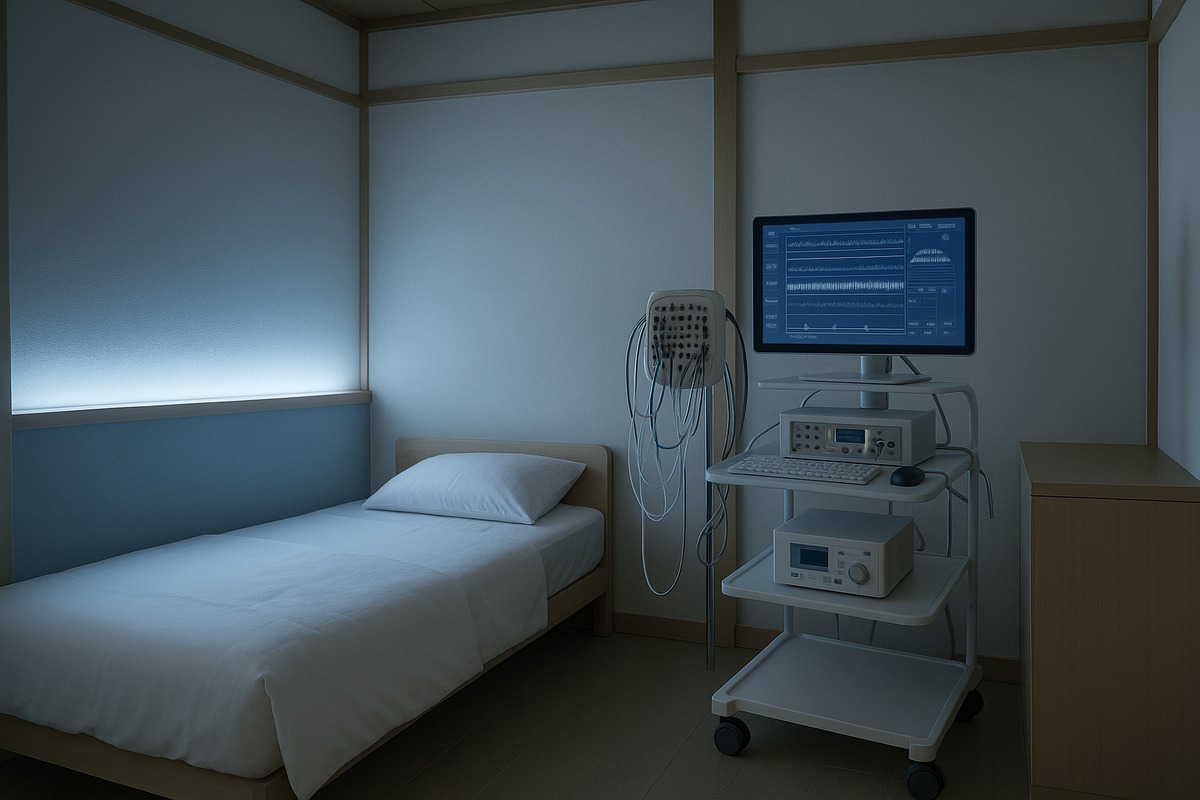
Sleep medicine as a clinical category has expanded significantly in Japan over the past decade. The number of sleep clinics registered with the Japan Society of Sleep Research has grown from under 200 in 2015 to over 700 by 2025. The patient population has expanded beyond the traditional insomnia and sleep apnea cases to include people seeking optimization rather than treatment — executives who want to know exactly what is limiting their sleep quality, athletes fine-tuning recovery protocols, and office workers who have identified sleep as the variable they most want to improve.
This medicalization of sleep has created demand for diagnostic tools. Portable sleep tracking devices — actigraphy watches, EEG headbands, and contact-free bed sensors — are increasingly being sold not just as consumer wellness products but as tools for clinic-grade data collection at home. Several Japanese clinics now include device rental in their patient intake process.
Internationally, the most recognizable sleep-tech brand that has made meaningful inroads in the Japanese clinical and consumer-wellness space is the Oura Ring, which has found a receptive audience among the same demographic — quantified-self oriented, health-conscious professionals — that responds to clinical sleep positioning. The ring’s integration with Apple Health and Google Fit, both significant platforms in Japan, has helped.
The B2B Opportunity: What International Brands Should Know
Japan’s sleep market is large, growing, and meaningfully underserved by international brands. Several observations are worth keeping in mind.
Product format is critical. Japanese living spaces, storage constraints, and aesthetic expectations shape what sleep products can succeed. A large, feature-heavy Western sleep device may solve a problem but create storage and design friction that reduces adoption. The most successful international sleep products in Japan tend to be either very small (the Oura Ring, compact white noise devices) or very high-end with strong aesthetic positioning (premium mattress toppers, designer eye masks).
Regulation shapes the category in ways that require local expertise. Melatonin, sleep aids, and any device making clinical claims will encounter regulatory pathways different from other markets. Planning for a Japanese regulatory timeline — typically 18 to 36 months for health-adjacent products — is essential.
Trust matters more than features. Japanese consumers are significantly more skeptical of new product claims than Western benchmarks suggest. A sleep product that can point to independent research, clinical partnerships, or athlete endorsements from recognized domestic figures will consistently outperform equivalent products sold on engineering specifications alone. Seeding with the right sleep clinics, sports training programs, and corporate wellness partnerships before going to retail is not optional — it is the market entry strategy.
The ¥400 billion sleep market is, in this sense, both an opportunity and a test. The brands that succeed will be those that understood from the start that Japanese consumers are not waiting for sleep to be solved — they are already working on it. The question is whether an international product can convincingly add to what they are already doing.
This article contains affiliate links. If you purchase through these links, we may earn a small commission at no extra cost to you.
If you’re interested in this topic, the Japanese market more broadly, or what KETCHUPs is working on, we’d love to hear from you — please reach out via our contact form.
Japan Market Pulse is a weekly read on what the Japanese consumer-tech, food, and mobility markets are choosing to do, written for international operators who want to know what is happening before it shows up in the global trade press.
Subscribe at ketchups.co/japan-market-pulse.