

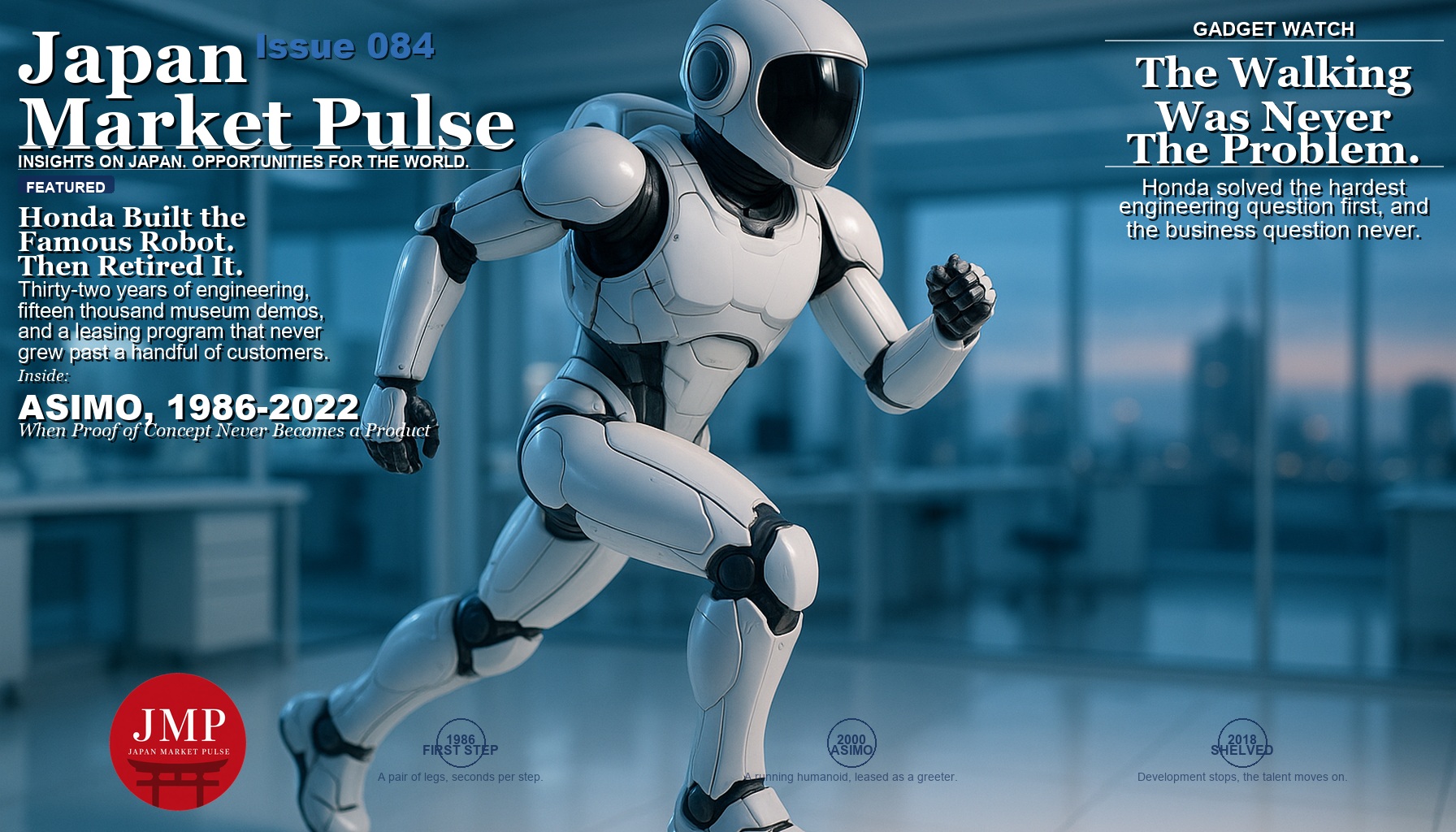
A car company spent more than three decades teaching a robot to walk, and then, on a Thursday afternoon in March 2022, let it take a bow and sent it home for good. No press conference outside Japan. No farewell tour. Just a small crowd inside a Tokyo science museum, a robot doing a version of the same dance it had been doing for twenty years, and then silence.
I have lived in Japan long enough to remember when ASIMO felt like the future arriving early. I took my kids to see it at the National Museum of Emerging Science and Innovation — Miraikan, as everyone here calls it — sometime in the mid-2010s, and I remember the hush that fell over a room full of jaded tourists and bored schoolchildren when the little white robot jogged across the stage on its own. It felt, for about ninety seconds, like science fiction had quietly become fact. What I did not know at the time was that Honda’s engineers had already started asking themselves a much harder question than “can it run”: what, exactly, is this robot for.
That question, more than any single technical failure, is why ASIMO does not exist anymore in any meaningful commercial sense. This is not really a story about a cute robot fading into nostalgia. It is a story about a Japanese industrial giant making one of the more interesting and least discussed strategic bets of the last forty years, and about what happened once the rest of the world’s robotics industry stopped playing the same game.
1986: The Secret Project That Started With a Single Slow Step
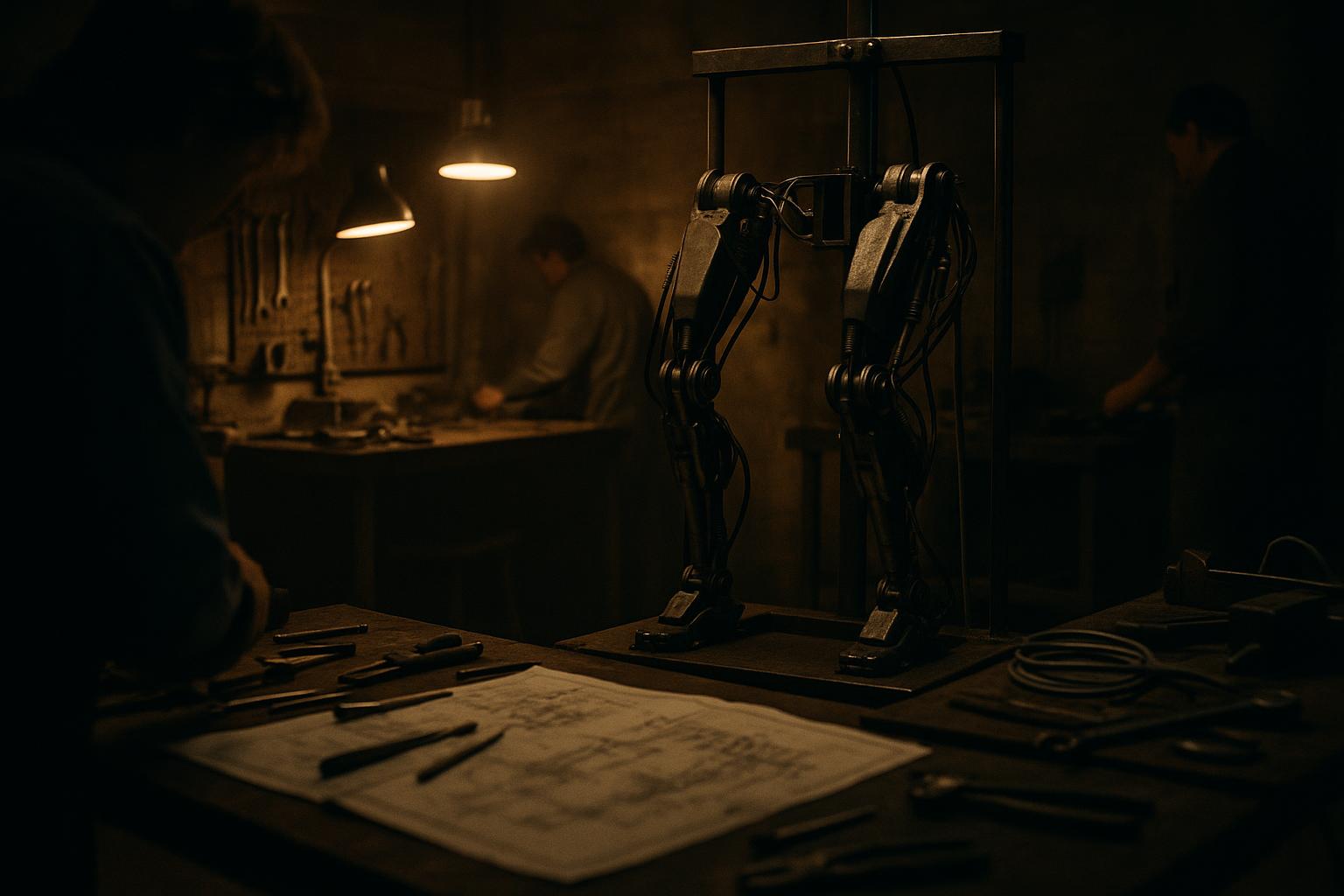
Honda’s humanoid robotics program did not begin as a publicity stunt. It began in 1986 as a genuinely obscure, almost hidden research effort inside the company, years before anyone at Honda was talking about robots in public. The first prototype, internally designated E0, was not much to look at: a pair of mechanical legs that could shuffle forward in a straight line, each step taking several seconds to complete. It looked less like the dawn of humanoid robotics and more like a very expensive science-fair project that happened to work.
What made the E0 project unusual was Honda’s decision to work on the hardest possible version of the walking problem. Most robotics research at the time focused on wheeled or statically stable machines — robots that never had to worry about falling over because they were never off balance in the first place. Honda’s engineers chose dynamic bipedal walking instead, the same unstable, constantly-falling-and-catching-yourself motion that human toddlers spend the better part of a year learning.
Over the next several years, the E-series robots — E1 through E6 — went from that first tentative shuffle to something recognizably more capable: walking at something closer to a human pace, stabilizing themselves against disturbances, and eventually balancing without external support. Stair climbing and the more human-looking gait came later, with the P-series. None of these robots had arms, torsos, or heads. They were, essentially, disembodied legs in a research lab, refined obsessively over the better part of a decade.
The next leap came with the P-series, developed between 1993 and 1997, which is when Honda’s robot finally started to look like a robot in the way most people imagine one. P1 added an upper body. P2, unveiled in 1996, was a genuine milestone — a self-contained humanoid, meaning its power source and control computer were built into the body itself rather than tethered to external equipment. It stood roughly six feet tall and weighed well over four hundred pounds, an imposing machine that looked more like industrial equipment wearing a spacesuit than a friendly household companion. P3, which followed in 1997, went the opposite direction: smaller, lighter, more refined, a signal that Honda’s engineers were now thinking about how a humanoid robot might eventually need to share space with actual humans rather than dominate a laboratory.
By the time P3 was demonstrated publicly, Honda had already been quietly working on this problem for more than a decade, largely out of public view. That patience — the willingness to fund a project with no obvious product at the end of it for over ten years — is the part of this story that gets lost in the nostalgia. Long before ASIMO ever became a brand, Honda had already made the harder decision: to treat humanoid robotics as a long-horizon research bet rather than a near-term product line.
2000: A Robot Named After a Sentence, and a Country’s Self-Image
ASIMO — an acronym for Advanced Step in Innovative Mobility — was unveiled in November 2000, the direct descendant of the E- and P-series work. It was shorter and lighter than its P-series predecessors, styled less like industrial hardware and more like a child-sized astronaut, deliberately designed to read as approachable rather than intimidating. It could walk, then run, then climb stairs, recognize faces, respond to simple voice commands, and navigate a room using floor markers and onboard sensors.
What followed was a decade and a half of ASIMO functioning less as a product and more as a national mascot for a specific idea: that Japan was the country that had figured out robotics before anyone else. ASIMO rang the opening bell at the New York Stock Exchange in 2002, was inducted into Carnegie Mellon’s Robot Hall of Fame in 2004, conducted the Detroit Symphony Orchestra in 2008, greeted a bemused Prince Charles that same year at Miraikan, and met President Obama during a 2014 visit to Tokyo. It toured Spain, the United Arab Emirates, Russia, South Africa, and Australia, functioning essentially as a piece of soft-power diplomacy with legs.
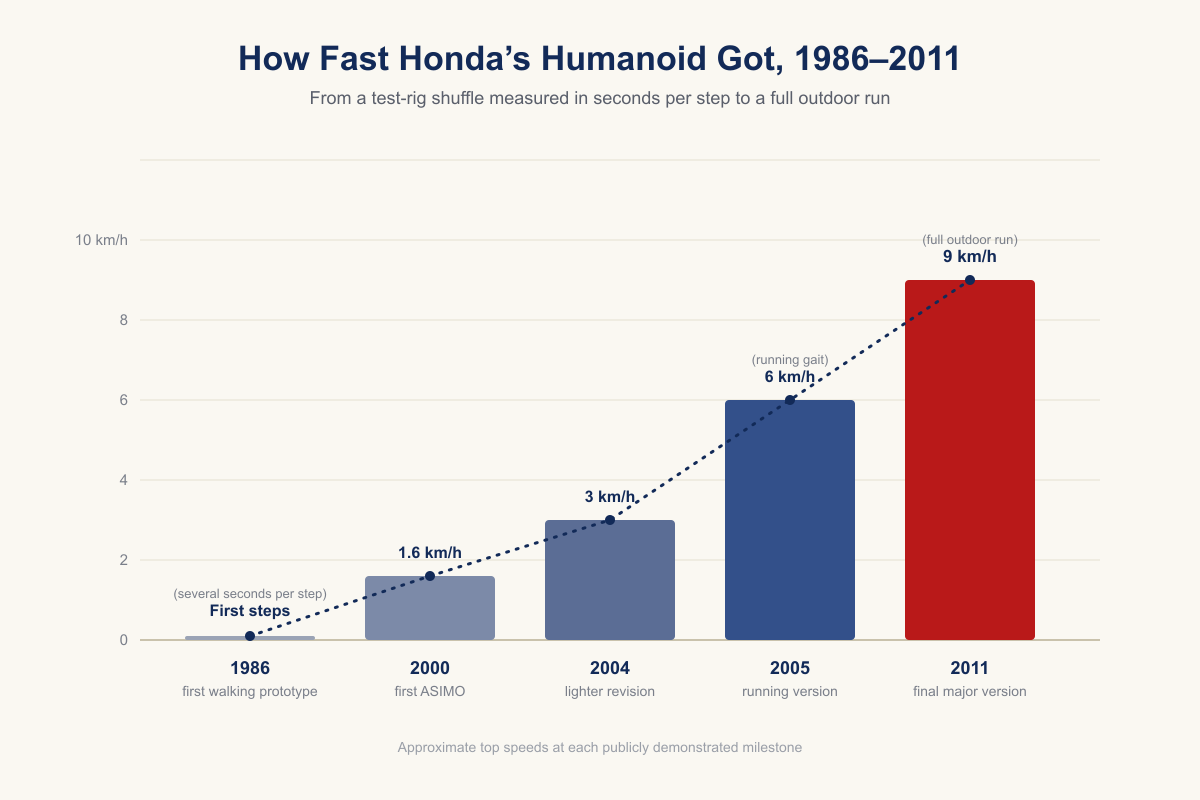
Each new generation pushed the specs forward, from a modest 1.6 kilometers per hour in the original 2000 model to a lighter, faster 2004 version running at 3 kilometers per hour on a new lithium-ion battery pack that finally gave it a usable operating window of close to an hour. The 2005 generation pushed running speed to 6 kilometers per hour, and the final major version, introduced in 2011, could run at roughly 9 kilometers per hour, hop on one leg, adjust its stride on uneven terrain, and navigate around moving people without needing the floor markers earlier versions had relied on. On paper, this was two and a half decades of continuous, genuinely impressive engineering progress.
And yet, at no point in any of this did ASIMO turn into something a company could simply buy and put to work.
The Wall Every Cool Robot Eventually Hits
This is the part of the story that tends to get flattened in the misty-eyed retrospectives, in both directions. ASIMO was never sold outright as a mass-market product — but it was not purely a museum piece either. In November 2001, Honda formally announced a rental business for an improved ASIMO in Japan, and by February 2002 the company was reporting that ASIMO units were being leased to “several corporations and museums” to greet people at offices and events, at a fee contemporaneous reporting put at roughly twenty million yen a year. That is a real commercial program, and it is the ceiling of what ASIMO ever became: a small, bespoke leasing operation for greeters and exhibits, never a product line with a retail price, a purchase program, or a consumer version. Nobody outside the company’s finance department really knows the total bill for three decades of dedicated engineering staff, custom actuators, and a purpose-built research division — but the cumulative figure almost certainly ran well into the billions of yen, even if no single number was ever confirmed.
The deeper problem was not the cost of any individual unit. It was that Honda had built an extraordinary answer to a question nobody in the market was actually asking. ASIMO could walk, run, and climb stairs about as gracefully as a small child, which is a genuine engineering triumph and also, commercially speaking, not something a hospital, a warehouse, or an aging household particularly needed. It could not lift anything heavy or perform sustained physical labor, and its battery life ran to roughly forty minutes of walking in the final 2011 generation, with earlier versions rated closer to an hour — meaning most of ASIMO’s public life was spent being wheeled around, recharged, and carefully stage-managed between short bursts of activity.
Japan, more than almost any other advanced economy, actually had a genuine structural need for exactly the kind of labor-substituting robot ASIMO seemed to promise: a rapidly aging population, a shrinking workforce, and a cultural comfort with robots visible in everything from postwar manga to the warm reception ASIMO received on its world tours. That need was real. ASIMO, for all its polish, was never built to meet it — it was built to demonstrate that meeting it might someday be possible, a proof of concept that never crossed into a product roadmap.
When Backflips Started Beating Bows
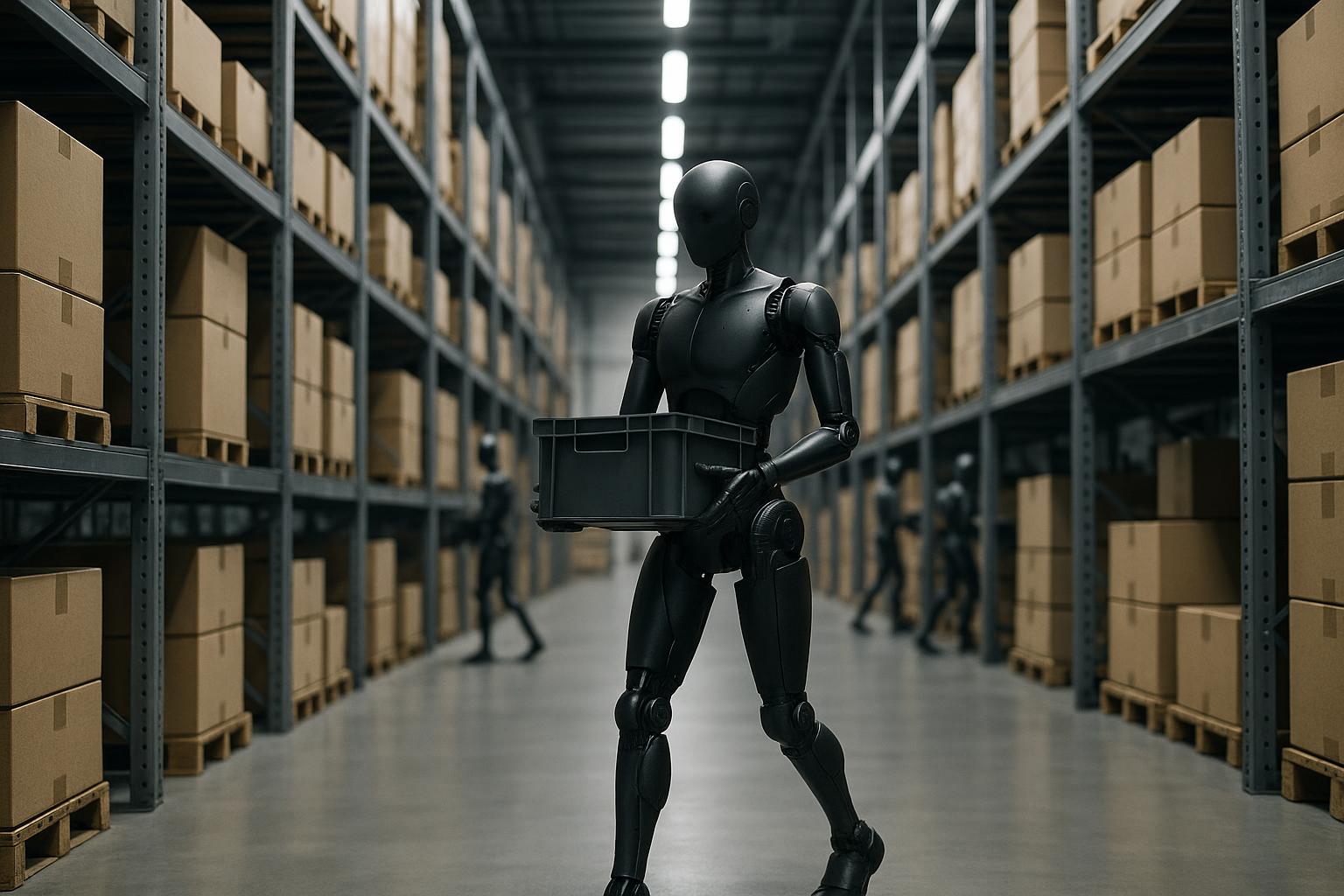
For most of the 2000s, ASIMO did not have much serious competition in the humanoid space, at least not competition that captured public imagination the way it did. That changed over the course of the 2010s, largely because of a robotics company on the other side of the world that had chosen an almost opposite design philosophy.
Boston Dynamics, the American robotics firm best known at the time for its unsettling four-legged BigDog and Spot robots, began releasing videos of its humanoid Atlas platform doing things ASIMO was never designed to do: recovering its balance after being shoved with a hockey stick, throwing heavy boxes, running over uneven outdoor terrain, and eventually performing backflips and parkour moves that looked less like a science exhibit and more like something out of an action film. Where ASIMO’s engineering language was built around grace and approachability, Atlas’s was built around raw dynamic capability — a robot designed to look unstoppable rather than friendly.
The contrast reframed what “impressive” meant in humanoid robotics almost overnight. ASIMO’s careful, cautious bow started to look less like sophistication and more like a robot engineered primarily to perform in front of an audience rather than to do useful work. Adding to the pressure, the 2011 Fukushima nuclear disaster had already exposed an uncomfortable gap in Japan’s own robotics ecosystem: despite the country’s reputation as the world’s robotics leader, the machines actually deployed into the damaged reactor buildings afterward were largely foreign-built, because Japan’s most advanced humanoid platforms — ASIMO included — had never been designed for the rugged, autonomous, real-world operation a nuclear disaster demands. The country that had spent decades building the world’s most charming robot ambassador did not have a robot ready for the one moment that actually mattered.
2018: The Announcement Nobody Made a Big Deal Of
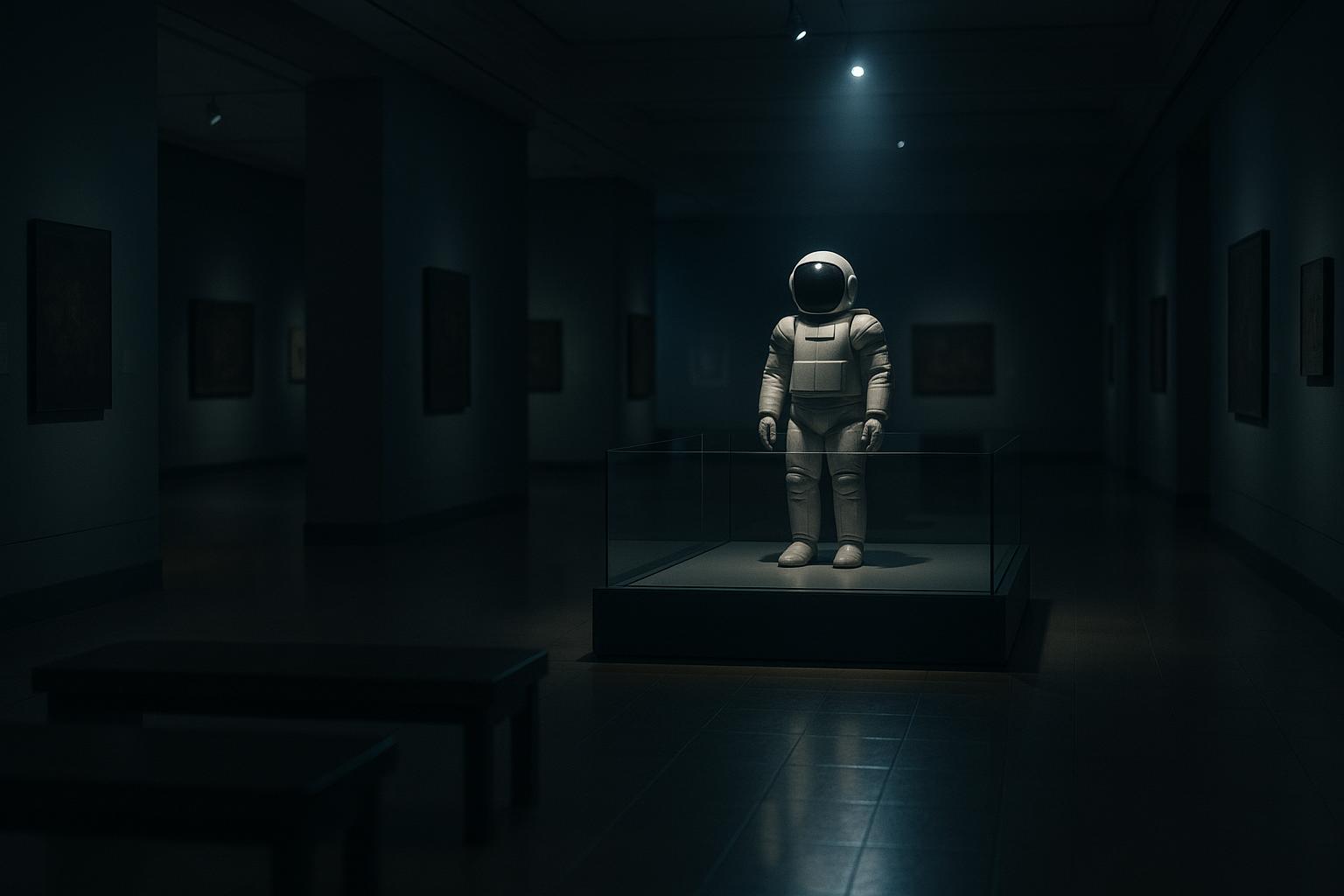
In the summer of 2018, Japanese media reported, based on internal Honda sourcing, that the company had quietly decided to stop developing new versions of ASIMO. There was no dramatic press event. A Honda representative, asked about it by international media, gave an answer that was notably matter-of-fact: the company would continue humanoid robotics research, but future robots emerging from that research might not carry the ASIMO name at all, since the technologies developed along the way had applications well beyond a single showcase platform.
Reporting at the time captured the underlying commercial logic bluntly: there was, as more than one industry observer put it, no clear payday on the horizon for ASIMO as it existed. Honda instead began redirecting the engineering talent and institutional knowledge built up over three decades toward projects with a more obvious path to usefulness — elder-care assistance technology, disaster-response robotics like the E2-DR prototype unveiled the previous year, and eventually remote-operated “avatar” robot systems that let a human operator control a machine’s movements from a distance rather than relying on the machine’s own autonomous judgment.
It is worth sitting with how unusual that decision actually was, from a corporate strategy standpoint. Honda was not shutting down a failing product line and cutting its losses in the way a company usually does — a handful of leasing contracts was as close as ASIMO ever came to a business, and there was no sales volume to lose. What Honda was actually doing was formally acknowledging, after thirty-two years and successive generations of hardware, that the flagship showcase approach to humanoid robotics had reached the end of its usefulness as a strategy, and that the company’s genuinely valuable asset was not the robot itself but the accumulated engineering knowledge behind it.
March 2022: A Quiet Bow at Miraikan
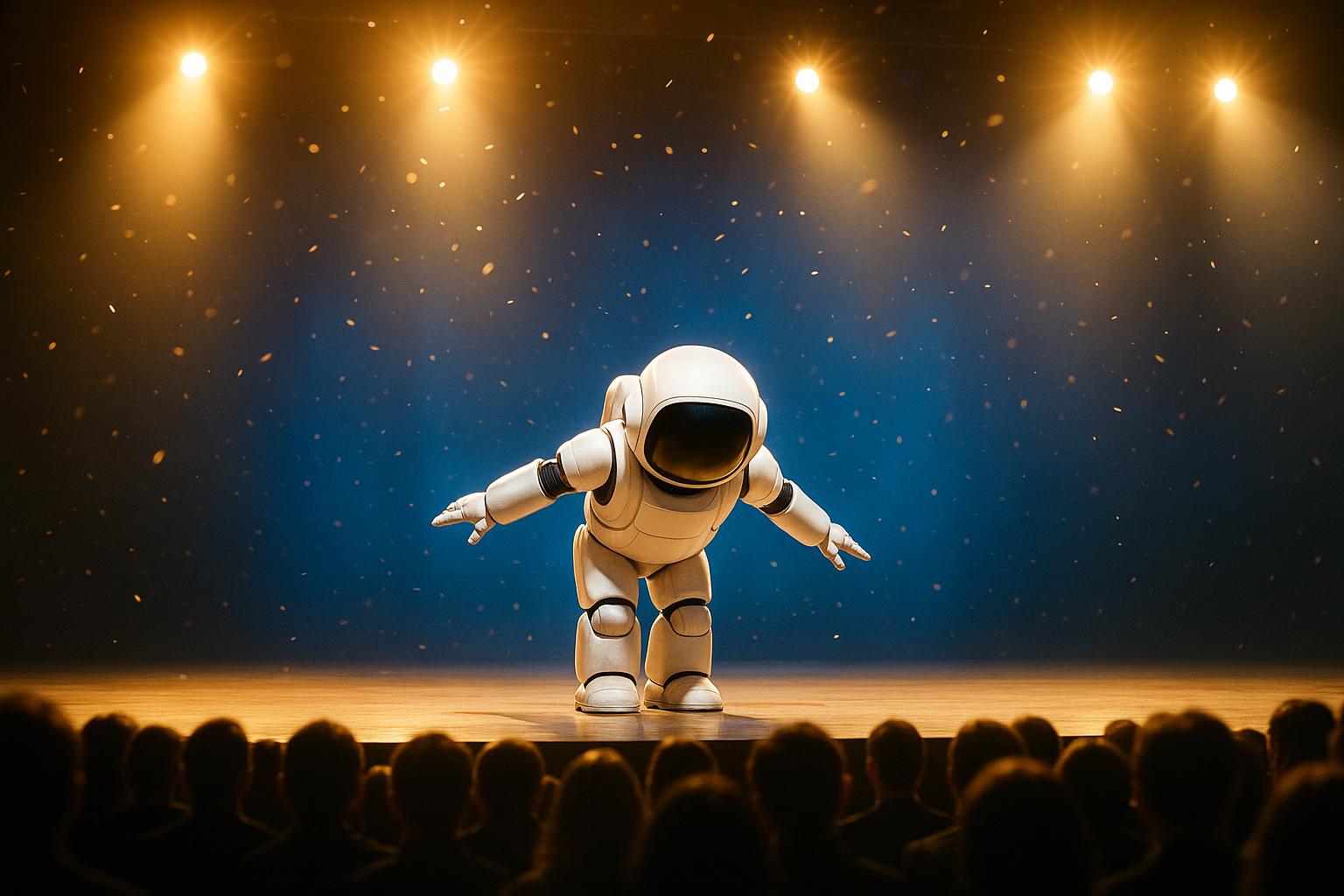
ASIMO’s public life did not end the moment Honda’s 2018 decision was reported; it simply wound down gradually over the following years, as Miraikan continued running scheduled demonstrations with the units it had on long-term loan. That finally came to a close on March 31, 2022, when Miraikan held what it billed as ASIMO’s “graduation” — a short farewell program combining some of the robot’s signature moves, including its running demonstration and its one-legged hop, in front of a crowd that had shown up specifically to say goodbye.
The numbers behind that twenty-year run at the museum are, in their own quiet way, more remarkable than any backflip: since being installed there in January 2002, ASIMO had performed more than fifteen thousand live demonstrations for an estimated two million visitors, functioning less like a piece of technology on display and more like a long-serving employee whose job was introducing a country’s schoolchildren to the idea that robots might someday walk among them. When it finally stopped, it was not because it had failed — it was because the job it had been designed to do, inspire people and put a friendly face on Japanese robotics, was by 2022 essentially complete, and the harder job of building robots that actually work for a living had moved somewhere else entirely.
Where the Race Actually Moved
The humanoid robotics industry Honda helped popularize did not slow down after ASIMO’s retirement — it accelerated, under different ownership and with different priorities. Boston Dynamics, acquired by Hyundai in 2021, unveiled a fully electric Atlas in 2024 built explicitly for commercial deployment, and has since run real-world trials inside Hyundai’s own manufacturing facilities rather than confining the robot to viral demo videos. Tesla has spent several years developing its Optimus platform with a stated goal of mass production and internal factory deployment, treating the humanoid form factor as a manufacturing tool first and a media event second. Figure AI, a startup that did not exist during most of ASIMO’s active life, has partnered with BMW to trial its platform on actual assembly lines and drawn investment from major technology players betting general-purpose humanoid labor is closer than most assume. Agility Robotics has been running its Digit humanoid through logistics trials with Amazon, aimed squarely at warehouse work rather than orchestra conducting. And at the accessible end of the market, Chinese manufacturer Unitree has pushed humanoid hardware down to a price point — its G1 platform is now listed on Amazon.com at a price measured in the tens of thousands of dollars rather than the millions — unthinkable during ASIMO’s entire run.
What unites nearly every one of these platforms is the thing ASIMO never had: a scalable commercial use case, attached to a specific industry, with a named customer or deployment partner already in the room. None of them are being designed primarily to greet a head of state or conduct an orchestra. They are being designed to move boxes, work assembly lines, and eventually justify their own cost against the price of human labor. Honda proved, over three decades and at its own considerable expense, that a humanoid robot could walk, run, and behave convincingly human in front of an audience. The current generation of humanoid robotics companies took that proof of concept as their starting point rather than their finish line, and built their businesses around the harder, less glamorous question Honda never quite forced itself to answer: who is actually going to pay for this, and why.
What Three Decades of Honda’s Bet Still Leaves Behind
It would be easy to write this off as a cautionary tale about a company that spent too long chasing a dead end, but that framing misses what actually happened. The engineering knowledge Honda built across three decades of ASIMO development did not vanish when the robot retired — it moved. Elements of the balance-control and actuator research live on in Honda’s walking-assistance devices, aimed at an aging population that genuinely needs mobility support rather than a mascot. The company’s avatar robot programs, which let operators control a machine remotely for tasks in hazardous or hard-to-reach environments, draw directly on decades of humanoid motion-control expertise that started with a robot leg taking one slow step in 1986.
There is also a broader lesson here about how Japan’s reputation as a “robot nation” was built, and how fragile that reputation-through-showcase can turn out to be. For a long stretch of the 2000s and early 2010s, ASIMO functioned as proof that Japan remained the undisputed leader in advanced robotics, a comforting narrative for a country whose manufacturing dominance elsewhere was increasingly being challenged. Over the following decade, the center of gravity in humanoid robotics shifted toward companies — American, and increasingly Chinese — that treated the robot not as a national showcase but as an industrial tool with a P&L attached. Japan did not lose its robotics expertise, as Honda’s own recent assistive and avatar robotics work makes clear. What it lost was its monopoly on defining what an impressive humanoid robot was supposed to look like.
For anyone watching Japan’s consumer-tech landscape from the outside, ASIMO’s story is a useful corrective to a common assumption: that Japan’s caution about commercializing new technology reflects a lack of ambition. If anything, ASIMO shows the opposite problem. Honda’s engineers were ambitious and capable enough to solve one of robotics’ hardest problems decades before most of the world took it seriously. What the company never quite solved was the far more mundane question of who would actually buy the thing — a gap between world-class engineering and an unanswered commercial question worth watching for elsewhere in Japan’s technology sector, not just robotics.
Frequently Asked Questions
Q. Could anyone actually buy an ASIMO robot?
A. Not buy — but for a period you could rent one. Honda announced an ASIMO rental business in Japan in November 2001, and by 2002 was leasing units to several corporations and museums as greeters for offices and events, reportedly for around twenty million yen a year. Beyond that limited leasing program, plus research partnerships and long-term institutional loans such as the one to Miraikan in Tokyo, ASIMO was never available for outright purchase: there was no retail price, no corporate purchase program, and no consumer version at any point in its history.
Q. Why did Honda actually stop developing ASIMO?
A. In short, there was no clear commercial path forward. ASIMO proved that a humanoid robot could walk, run, and interact convincingly with people, but beyond a handful of leasing contracts for greeting duty, it was never designed around a scalable commercial customer base or a specific industry use case. As rivals like Boston Dynamics demonstrated more industrially useful capabilities, and Japan’s own 2011 disaster-response experience exposed real gaps in practical robotics, Honda concluded its engineering talent was better spent elsewhere.
Q. Can I buy a humanoid robot similar to ASIMO today?
A. Yes — one of the more striking shifts since ASIMO’s retirement. Chinese manufacturer Unitree lists its G1 humanoid robot on Amazon.com, at a price point unimaginable during ASIMO’s lifetime (listings and prices for this category move quickly, so check the current page before drawing conclusions). It is a very different machine built for a very different purpose, but it represents the kind of accessible, off-the-shelf humanoid hardware ASIMO never became.
Q. Is Honda still working on humanoid robots at all?
A. Yes, though not under the ASIMO name and not as a public-facing showcase robot. Honda has redirected the balance-control, actuator, and motion technology developed during ASIMO’s lifetime toward walking-assistance devices for elderly and mobility-impaired users, disaster-response robotics research, and remote-operated avatar robot systems for hazardous work environments.
Conclusion
ASIMO’s story is not really about a robot that failed. It is about a company that spent thirty-two years and successive generations of hardware proving something genuinely hard was possible, and then had the discipline to admit, without much fanfare, that proving something is possible and building a business around it are two entirely different projects. Honda got the harder engineering question right decades before most of the world was paying attention. It never quite got the easier, more boring business question answered — and by the time the rest of the humanoid robotics industry started answering it instead, the graceful little robot that started it all had already taken its final bow.
This article contains affiliate links. If you purchase through these links, we may earn a small commission at no extra cost to you.
If you’re interested in this topic, the Japanese market more broadly, or what KETCHUPs is working on, we’d love to hear from you — please reach out via our contact form.
Japan Market Pulse is a weekly read on what the Japanese consumer-tech, food, and mobility markets are choosing to do, written for international operators who want to know what is happening before it shows up in the global trade press.
Subscribe at ketchups.co/japan-market-pulse.