

Disclosure: This article is published by KETCHUPs, a Tokyo-based trading and brand-development firm. All content is editorial.
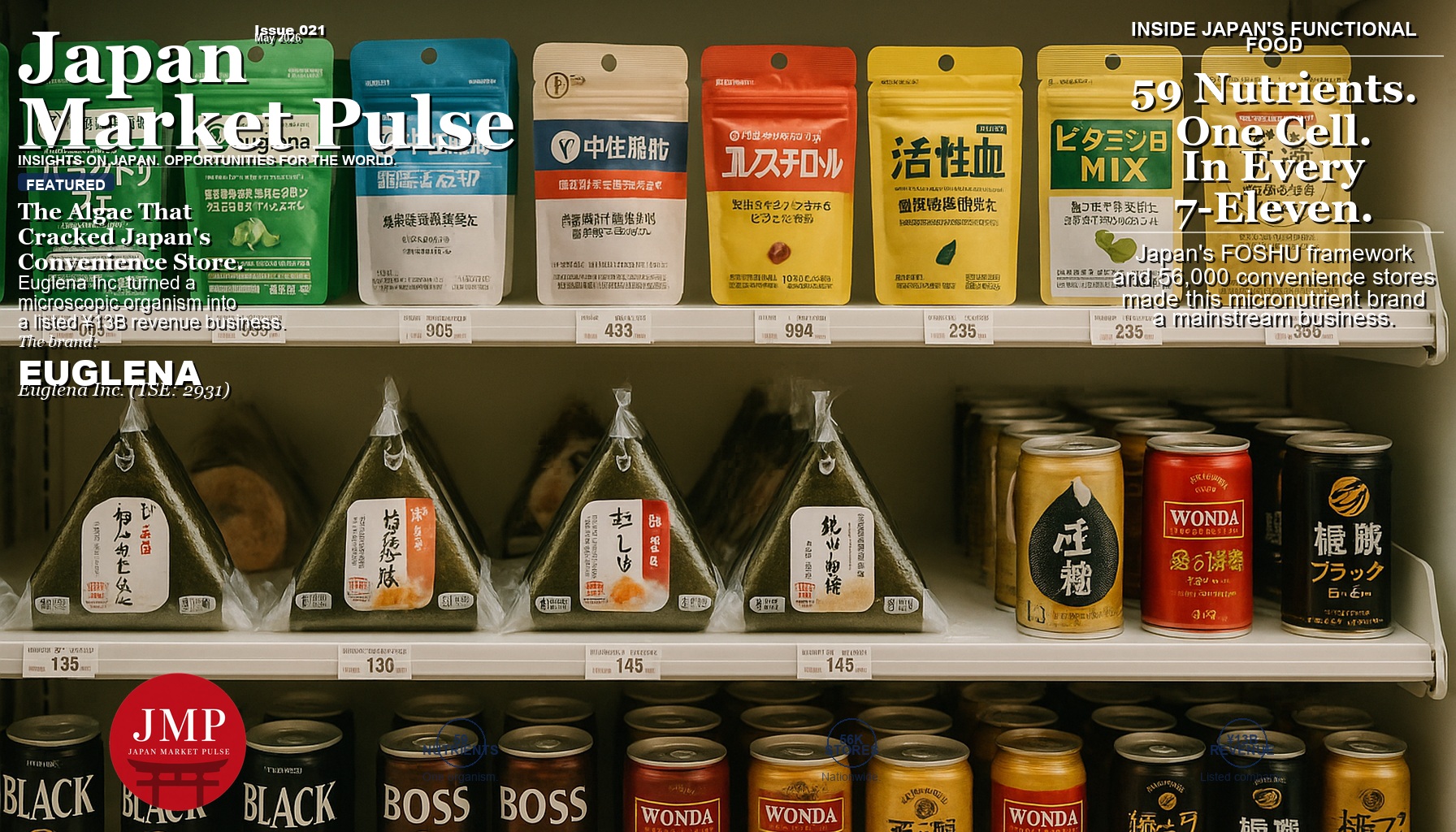
In the supplement aisle of a Japanese 7-Eleven, between the collagen drinks and the vitamin C sachets, you’ll find a small green packet with a cartoon of a microscopic organism on the front. The ingredient: euglena — a single-celled microorganism that has been on Earth for roughly 500 million years, that cannot decide whether it is a plant or an animal, and that contains 59 nutrients in a single organism. The company that put it there — Euglena Inc. — has spent the past two decades converting a scientific curiosity into a ¥13 billion ($86M) annual revenue business with a presence in every major convenience store chain in Japan.
This is not a story about a niche health food company that sells to wellness enthusiasts. It’s a story about how Japan’s regulatory and consumer environment — built around a 30-year-old framework called FOSHU, designed to legitimize functional food claims — created the conditions for a micronutrient startup to achieve mainstream scale before anywhere else in the world. The euglena supplement sitting in that 7-Eleven is the end product of a specific Japanese infrastructure: scientific credibility, regulatory permission, consumer willingness to pay, and a distribution network that reaches 56,000 convenience stores nationwide.
Western superfood brands have been chasing the same formula for years, spending nine figures on marketing to convince consumers that their green powder is worth $99 a month. Japan got there first. The mechanism is worth understanding.
What Euglena Actually Is

The organism itself is genuinely unusual. Euglena gracilis is a single-celled flagellate — a microscopic creature roughly 50 micrometers long that moves using a whip-like flagellum and has been studied by biologists since Antonie van Leeuwenhoek first observed it in the 17th century. What makes it scientifically interesting, and commercially valuable, is that it occupies a position on the boundary between plant and animal kingdoms that no other organism holds.
Like plants, euglena photosynthesizes — it converts sunlight and carbon dioxide into energy and produces chlorophyll. Like animals, it ingests organic matter when light is unavailable and performs digestion. It is, in the language of biology, a mixotroph — capable of both autotrophic and heterotrophic nutrition simultaneously. This metabolic flexibility is the key to its nutritional density: because it operates both as a primary producer and a consumer, it accumulates a broader range of nutrients than organisms specialized for one mode of nutrition.
The 59-nutrient claim is not marketing hyperbole. Euglena gracilis contains all nine essential amino acids, making it a complete protein source. It contains DHA and EPA — the omega-3 fatty acids associated with cardiovascular and neurological health that are typically found in fatty fish. It contains beta-1,3-glucan, a polysaccharide with peer-reviewed immunomodulatory properties. It contains vitamins B1, B2, B6, B12, C, E, and K, along with iron, calcium, zinc, and magnesium. The nutrient profile reads like the label of a comprehensive multivitamin, except it occurs naturally in a single organism.
The Company: Twenty Years from Lab to Lawson
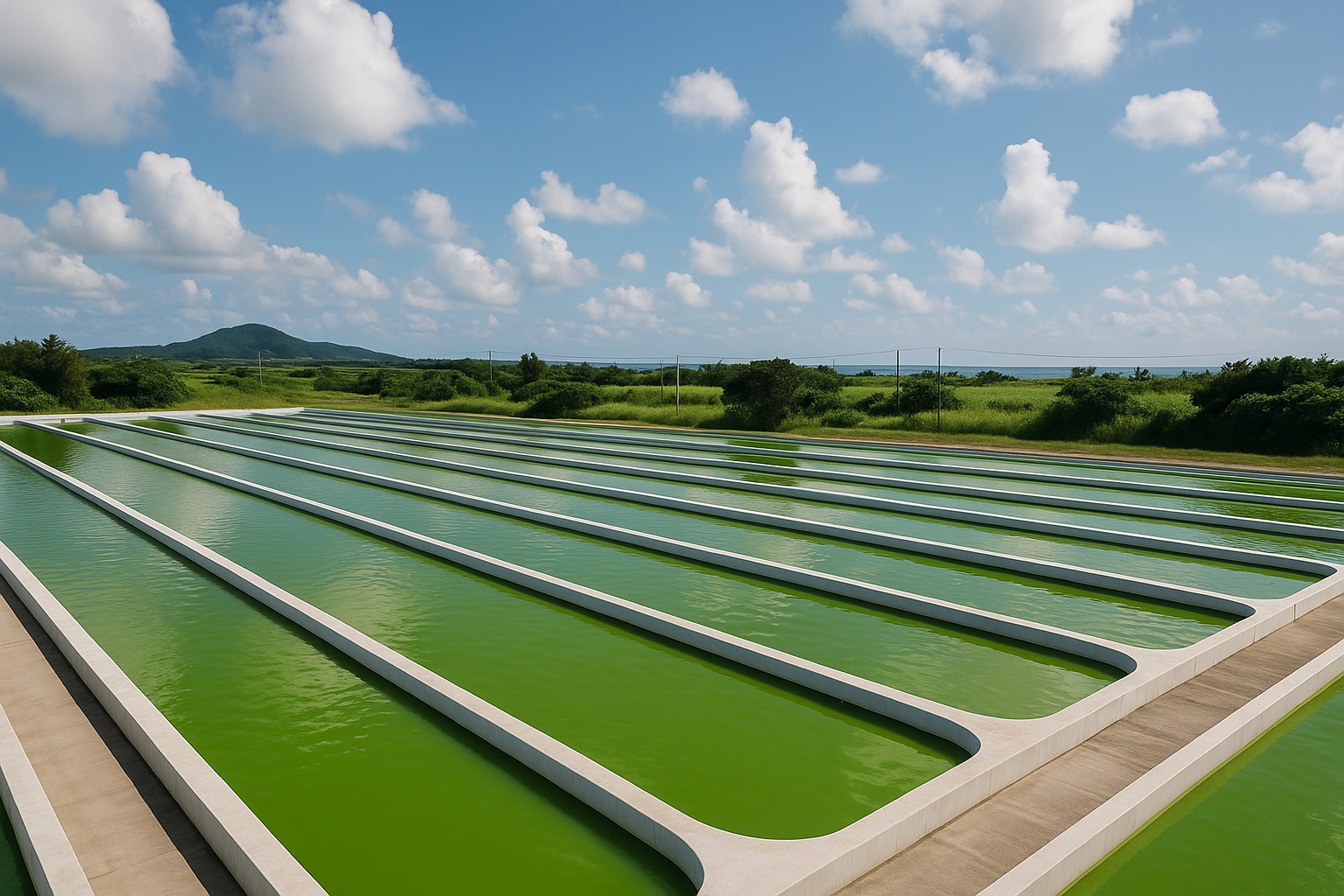
Euglena Inc. was founded in 2005 by Mitsuru Izumo, then 27, following research at the University of Tokyo. Izumo’s initial focus was not consumer products — it was solving protein malnutrition in Bangladesh, where euglena’s rapid cultivation in contaminated water and its complete amino acid profile made it a candidate for low-cost nutritional intervention. The humanitarian origin story has become a core part of the company’s brand identity, and Izumo has maintained it throughout the company’s commercial evolution.
The IPO in 2012 on the Tokyo Stock Exchange’s Mothers market provided the capital needed to accelerate both R&D and commercialization. The pivot to consumer-facing products came progressively through the 2010s — branded supplements, functional foods including breakfast cereals and smoothie powders, and a direct-to-consumer subscription model alongside the convenience store channel. The cosmetics line followed, capitalizing on Japanese consumers’ established willingness to pay for micronutrient-based skincare.
By 2023, Euglena products were available in all three major Japanese convenience store chains — 7-Eleven (21,000 stores), Lawson (14,000 stores), and FamilyMart (16,000 stores). Convenience store placement in Japan is not a volume-discount channel. It is a legitimacy signal. Products that appear on convenience store shelves have passed category manager evaluation and survived the brutal Japanese consumer’s inspection. For a supplement brand, it’s the equivalent of a drug store chain endcap in the US — but the hurdle is higher.
The FOSHU Framework: Japan’s Regulatory Advantage
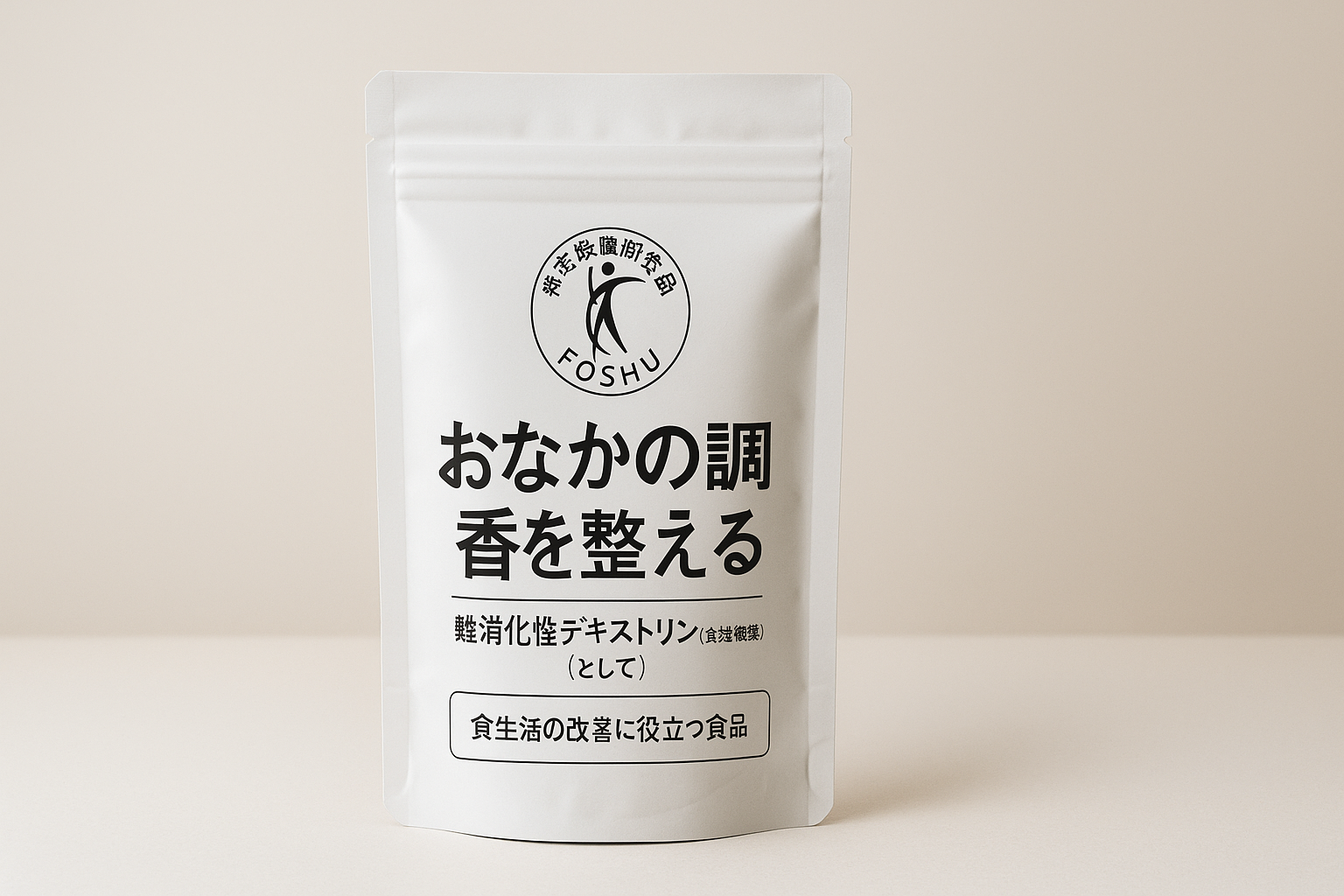
The single most important structural factor behind Euglena Inc.’s commercial success is not the organism itself. It’s the regulatory environment in which the company operates. Japan’s FOSHU system — , “Foods for Specified Health Uses” — was established in 1991 and allows food and supplement products to carry specific, approved health claims on their packaging, provided the claims are supported by clinical evidence reviewed by a government committee.
In the United States, the FDA prohibits disease claims on food products and requires the disclaimer “This statement has not been evaluated by the Food and Drug Administration” on structure/function claims. The practical effect is that US supplement marketing must be vague — “supports immune health,” “promotes cardiovascular wellness” — or risk FDA action. Under FOSHU, by contrast, a product that passes clinical review can state directly on its packaging that it “helps maintain healthy cholesterol levels.” Japanese consumers read these labels. They trust them. And they pay a premium for FOSHU certification, because it represents government validation rather than brand assertion.
Euglena Inc. has obtained FOSHU certification for several product lines, with the beta-1,3-glucan component as the primary vehicle for immune-health claims. The ability to make approved health claims in a market of 125 million consumers — at convenience store shelf level, not just in specialty health stores — is a structural advantage that Western companies cannot replicate without regulatory reform.
Revenue, Growth, and the Biofuel Bet
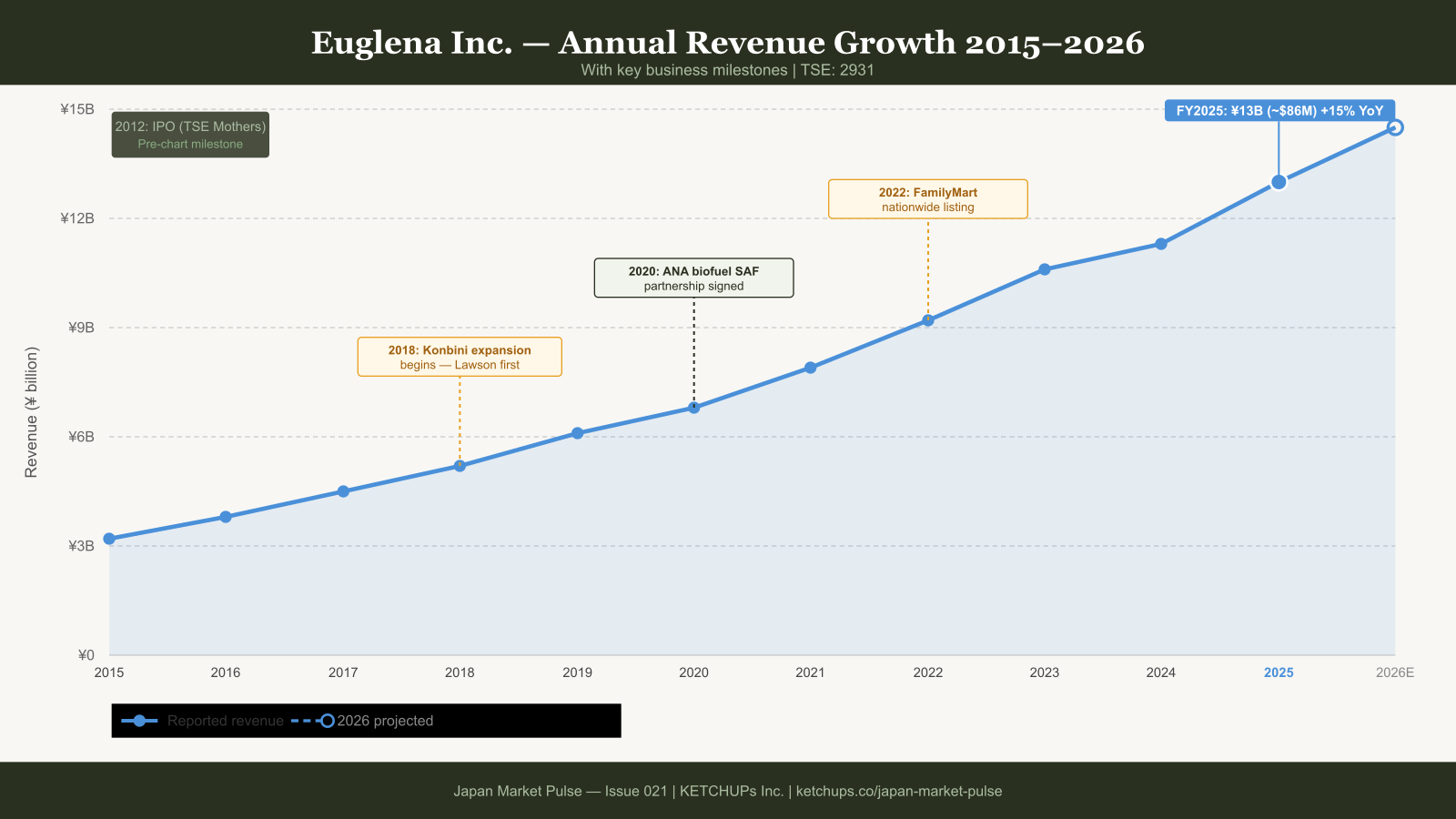
Euglena Inc.’s consumer business — supplements, functional foods, and cosmetics — generates the majority of the ¥13 billion ($86M) in annual revenue reported for fiscal year 2025. Growth has been consistent at approximately 15% year-over-year for the past three years, driven primarily by the convenience store channel expansion and the subscription model. Subscription economics matter here: euglena supplements are a category where repeat purchase rates are high, because the product’s value is cumulative rather than event-driven.
The biofuel division is the long-term bet that distinguishes Euglena Inc. from its supplement-sector peers. The company has partnered with ANA Holdings (All Nippon Airways) and ITOCHU Corporation to develop sustainable aviation fuel (SAF) derived from euglena lipids. The SAF market is currently small but structurally important: IATA has committed aviation to net-zero carbon by 2050, and SAF is the primary mechanism. Euglena’s lipid composition makes it a technically viable feedstock. Whether it becomes commercially viable at scale remains uncertain — cultivation costs are high — but the option value of the biofuel position, combined with the ANA and ITOCHU relationships, gives Euglena Inc. a strategic profile that supplements-only companies cannot match.
Euglena vs. the Western Superfood Market
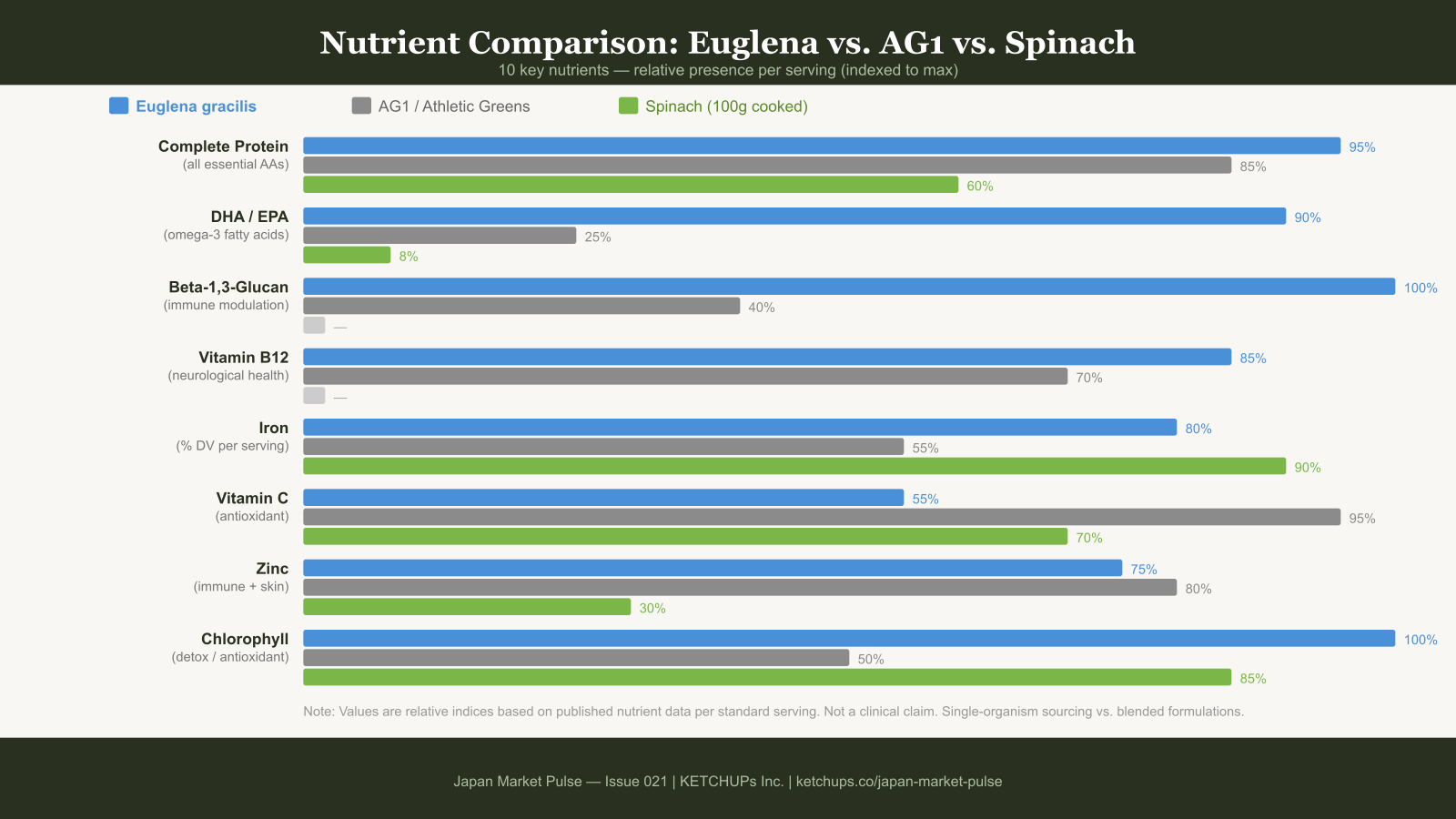
The most direct Western comparison for Euglena Inc.’s supplement line is AG1 (formerly Athletic Greens), which retails at $99 per month and has achieved an estimated $200M+ in annual revenue through direct-to-consumer digital marketing. On nutrient breadth, both products attempt comprehensive micronutrient coverage in a single product. AG1 achieves this through a 75-ingredient blend. Euglena achieves it through a single organism. The “single-source” narrative is simpler and, for science-literate consumers, more compelling.
On price, the gap is stark: ¥3,000–¥5,000 per month ($20–$35) for euglena versus $99 for AG1. On credibility infrastructure, FOSHU gives Euglena Inc. something AG1 cannot buy: government-validated health claims at scale. The parallel is not that Euglena Inc. will replace AG1 in Western markets. It’s that Japan has created a proof-of-concept for mainstream distribution of comprehensive micronutrient products — at convenience store prices, with government health claim validation — that Western markets have not yet replicated.
What This Tells International Operators
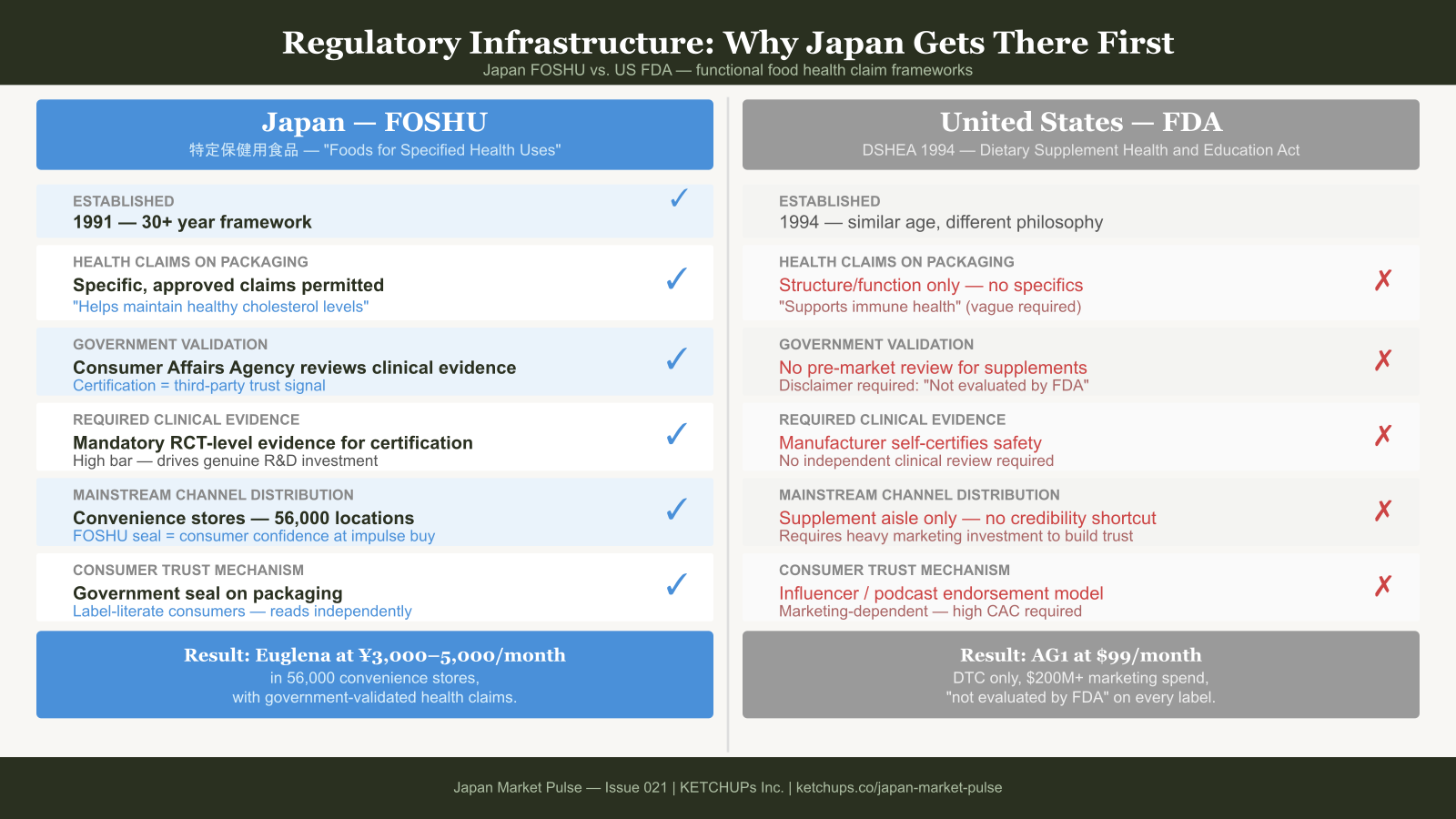
Euglena Inc.’s trajectory is interesting for international operators for reasons that go beyond the specific organism. The company is evidence that Japan’s FOSHU framework creates a first-mover advantage for micronutrient products that cannot be easily replicated elsewhere. Japan is the only major market where a supplement company can distribute through convenience stores and carry government-validated health claims on the packaging simultaneously. That combination is structurally unavailable in the US, the EU, or most of Asia-Pacific.
This means Japan functions as a validation market for the functional ingredient category in ways that no other market does. A product that achieves FOSHU certification and convenience store penetration in Japan has demonstrated both clinical credibility and mainstream consumer acceptance — two things that Western DTC brands spend enormous sums trying to signal through marketing alone. For international operators considering the Japanese functional food market: FOSHU certification is the price of entry at the premium segment; convenience store partnership is the distribution endpoint worth working toward; and the consumer base is aging and spending more, not less, on micronutrient products.
The algae company that cracked Japan’s convenience store did so by building on infrastructure that Japan spent 30 years constructing. The infrastructure is not portable. But the insight it generates about consumer willingness to pay for verified micronutrient density is available to anyone paying attention.
If you’re interested in this topic, the Japanese market more broadly, or what KETCHUPs is working on, we’d love to hear from you — please reach out via our contact form.
Japan Market Pulse is a weekly read on what the Japanese consumer-tech, lifestyle, and adult-collectibles markets are choosing to do, written for international operators who want to know what is happening before it shows up in the global trade press.
Subscribe at ketchups.co/japan-market-pulse.